Cosmetic Acupuncture
Cosmetic acupuncture rejuvenates skin naturally, promoting collagen and reducing wrinkles without surgery or chemicals.
At Mizan, we believe in combining Eastern and Western medical principles to holistically treat patients. Healing Through Acupuncture & Chinese Medicine in Toronto
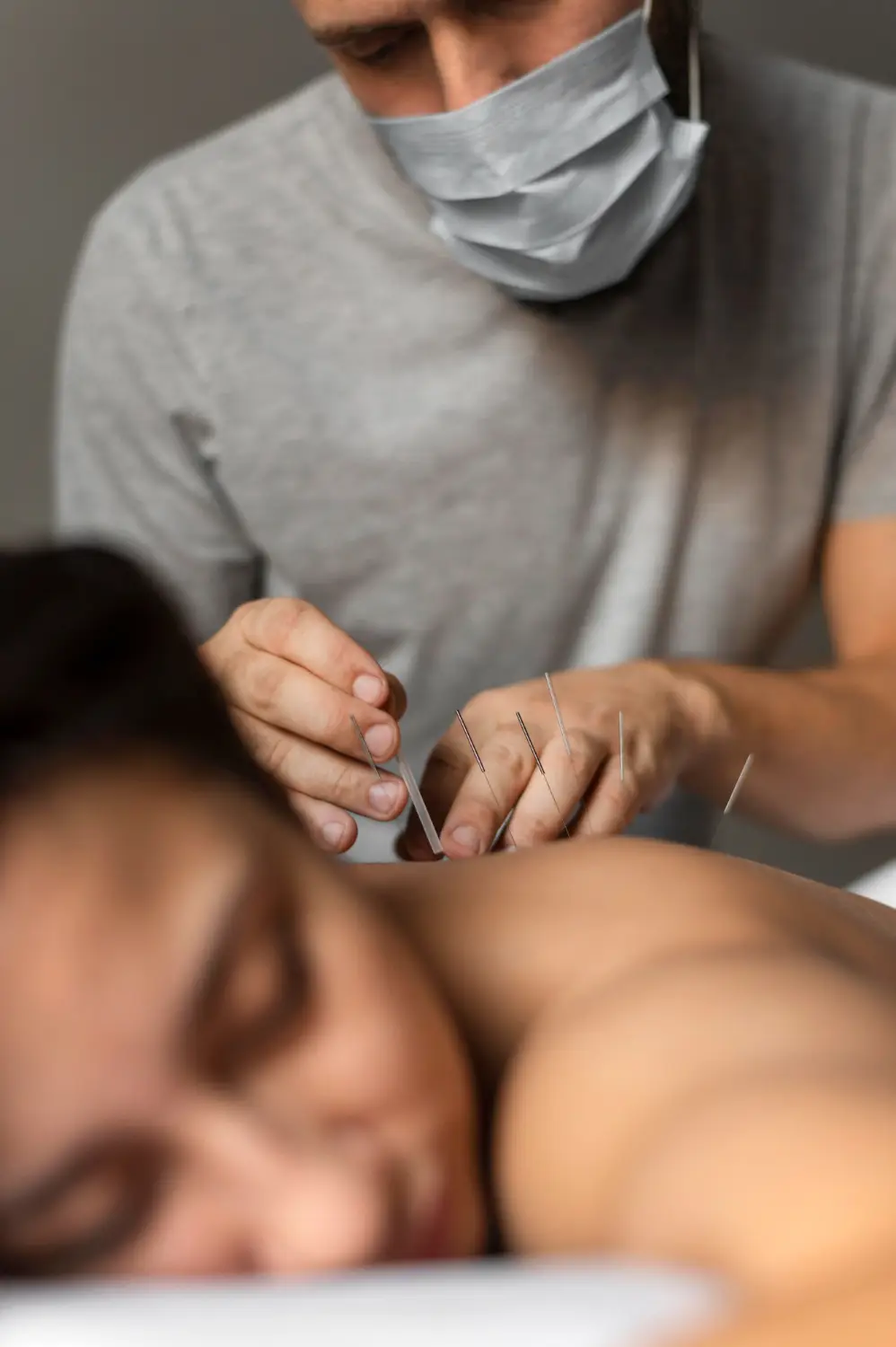
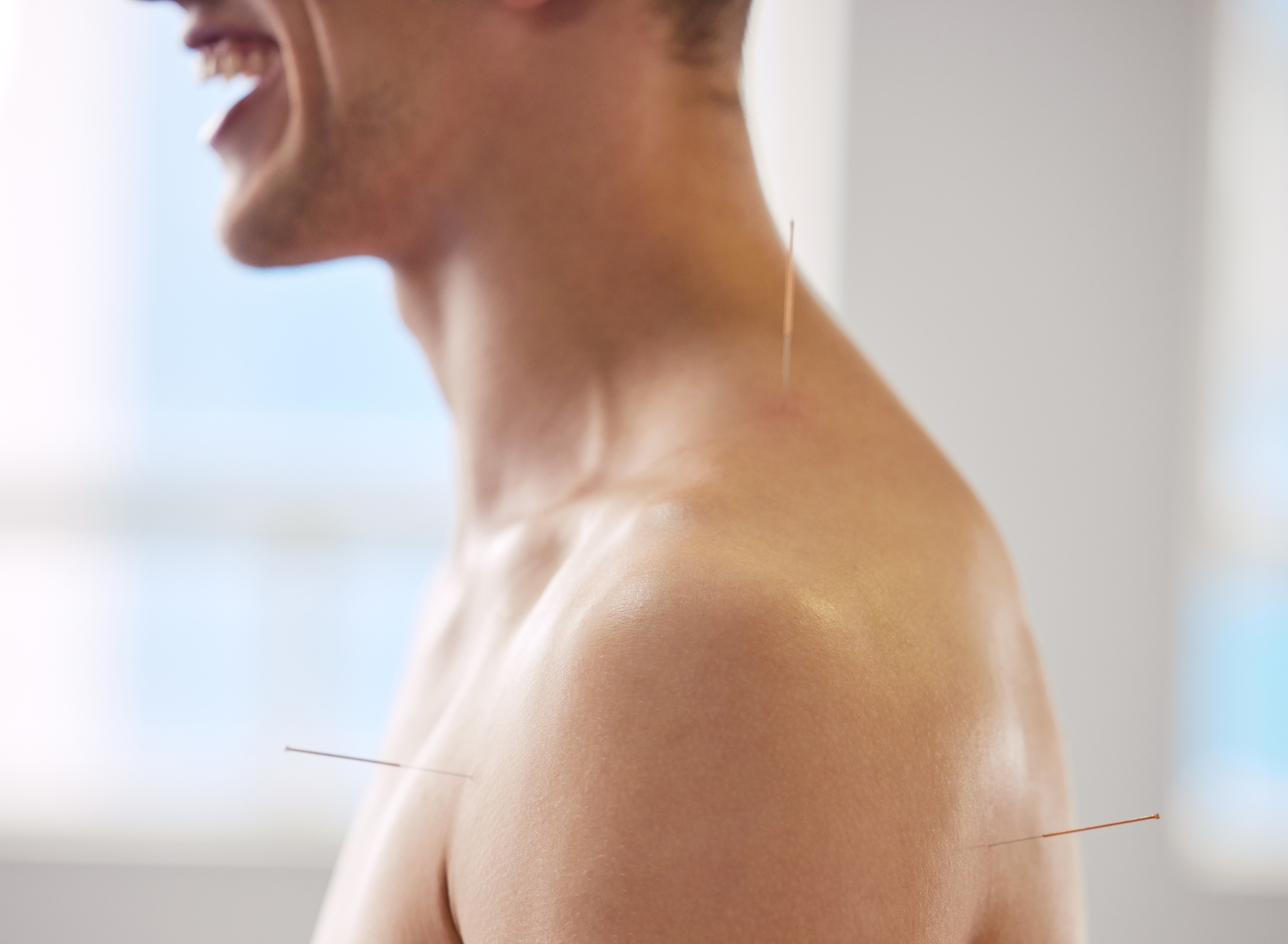
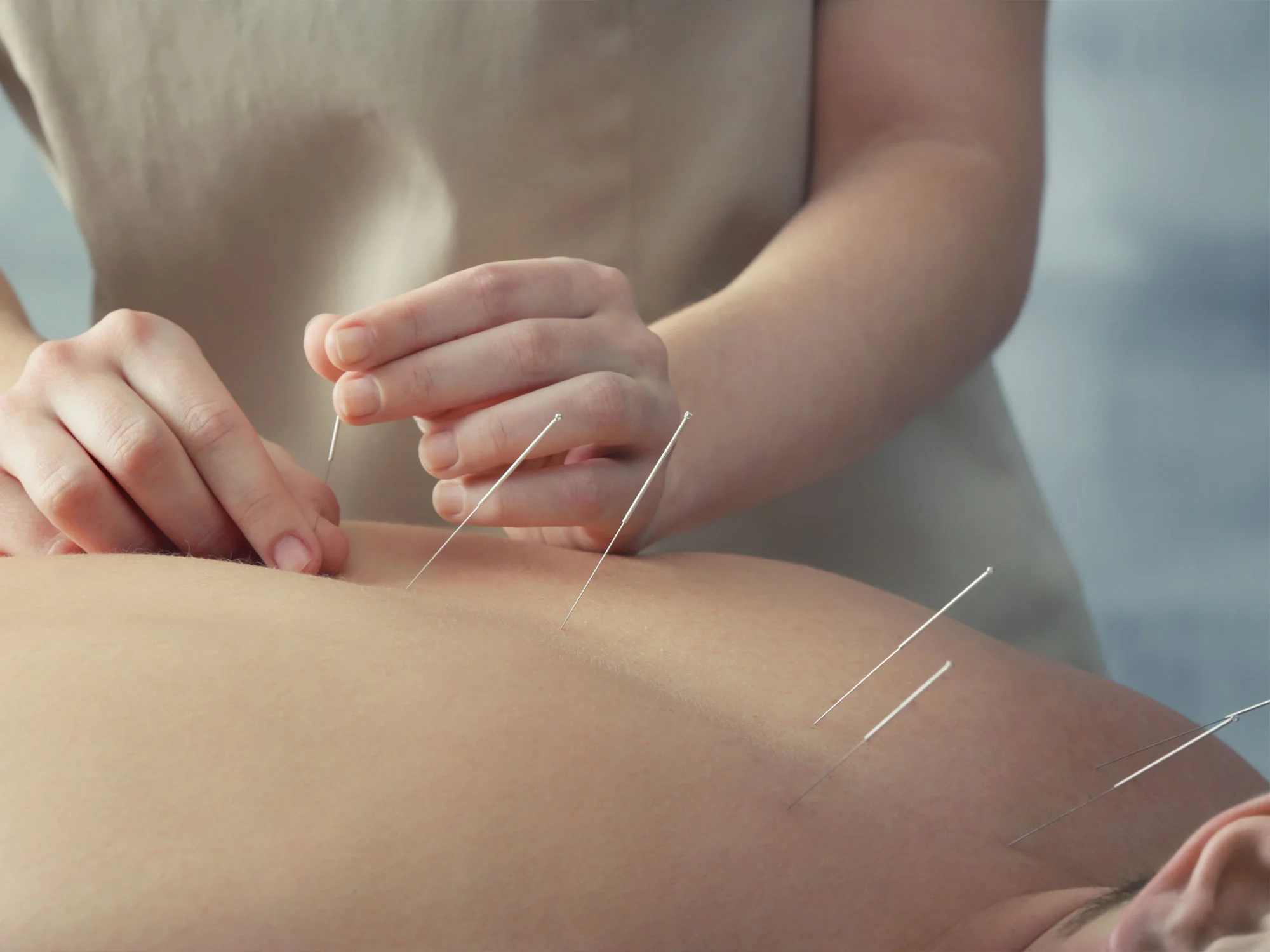
Book AppointmentAcupuncture and Traditional Chinese Medicine in Toronto (TCM) offer a natural, time-tested approach to healing and wellness. Rooted in ancient Chinese philosophy, this holistic system focuses on restoring balance and harmony within the body. Acupuncture involves the insertion of fine, sterile needles at specific points on the body to stimulate energy flow (Qi), improve circulation, and activate the body’s natural healing mechanisms. It is widely used to treat pain, stress, fatigue, digestive issues, insomnia, and more.
Chinese Medicine takes a broader view of health by addressing the root causes of illness rather than just the symptoms. It includes herbal medicine, cupping, moxibustion, and lifestyle recommendations tailored to each individual’s unique constitution and condition. The goal is to restore the balance of Yin and Yang and ensure the smooth flow of Qi throughout the body. With a personalized treatment plan, many patients find lasting relief from chronic conditions and enjoy improved overall well-being.
Whether you’re managing a specific health issue or simply looking to enhance your vitality, acupuncture and Chinese Medicine in Toronto provide a safe, effective, and drug-free alternative. Practiced by qualified professionals, these therapies offer a gentle yet powerful way to support physical, mental, and emotional health. Reconnect with your body’s natural ability to heal—experience the benefits of acupuncture in Toronto and Chinese Medicine today.
True health is more than the absence of illness—it’s the presence of balance, energy, and joy. Through acupuncture in Toronto, you can nourish your body, calm your mind, and listen to your soul. Every small step toward wellness is a powerful act of self-love. Start today, and become the healthiest, happiest version of yourself.
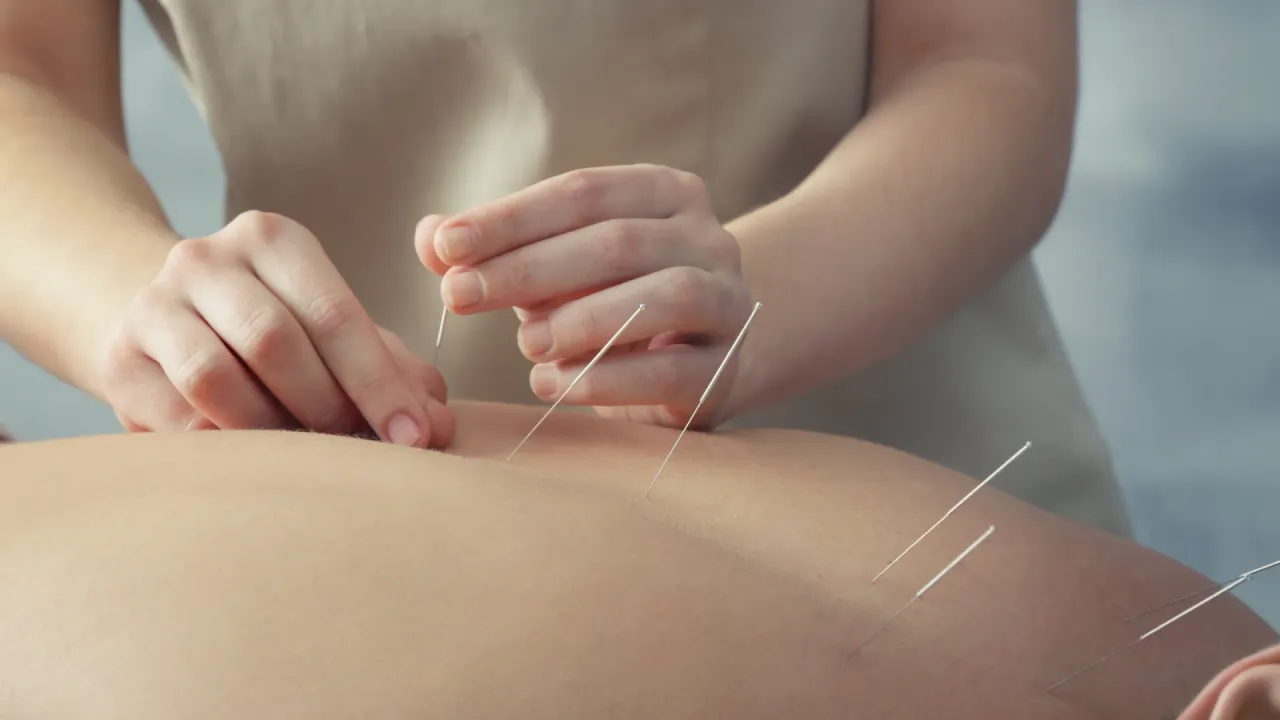
Acupuncture in Toronto is a holistic therapy using fine needles to stimulate healing, relieve pain, and restore the body's natural balance.
Read More
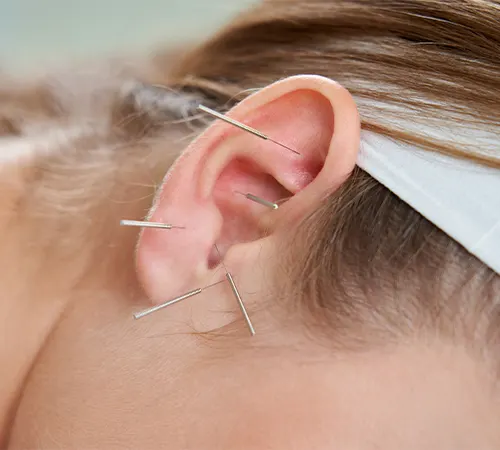
Auricular acupuncture targets specific ear points to treat pain, stress, and imbalances, promoting overall health and wellness naturally.
Read More
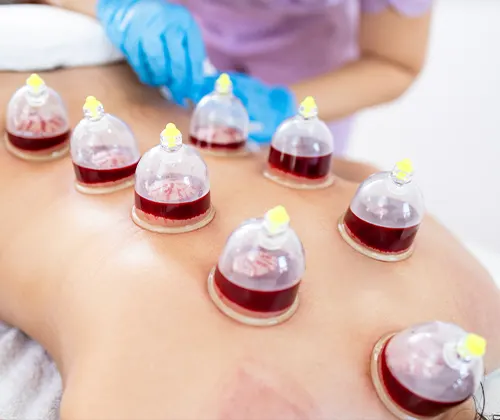
Cupping is an ancient therapy using suction to improve circulation, relieve pain, and promote natural healing.
Read More
Hijama in Toronto is a traditional healing practice that removes toxins, improves circulation, and promotes natural recovery through gentle suction on specific body points.
Read More
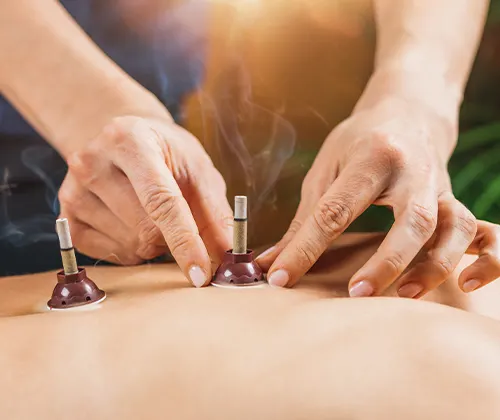
Moxibustion uses heated herbs to stimulate acupuncture points, enhancing circulation and promoting natural healing.
Read MoreEnhance your natural beauty with confidence. Cosmetics aren’t just about appearance—they’re about expression, empowerment, and embracing the skin you’re in. When combined with holistic approaches like Chinese medicine in Toronto, you support beauty from within. Every brushstroke is a step toward feeling bold, radiant, and uniquely you. Let your beauty shine from the inside out—because confidence is the most powerful cosmetic of all.
Cosmetic acupuncture rejuvenates skin naturally, promoting collagen and reducing wrinkles without surgery or chemicals.
Microneedling boosts collagen, improves texture, and rejuvenates skin for a smoother, youthful glow.
Dermabrasion is a skin-resurfacing procedure that smooths texture and reduces scars or fine lines.
Bio-Microneedling is a revolutionary, machine-free microneedling alternative using natural sponge-derived microneedles to boost collagen, speed up skin renewal, and enhance product absorption—all with minimal downtime and strong results.
Acupuncture in Toronto offers a powerful, drug-free solution to managing and relieving pain by stimulating the body’s natural healing processes. Whether you’re dealing with chronic discomfort or acute injuries, acupuncture provides targeted, long-term relief by addressing the root cause—not just the symptoms.
How Acupuncture Helps with Pain Relief:
Stimulates Natural Painkillers: Acupuncture triggers the release of endorphins and serotonin to reduce pain and improve mood.
Reduces Inflammation: By promoting circulation and balancing energy flow, it helps decrease swelling and inflammation.
Improves Mobility: Regular sessions can enhance joint function and muscle flexibility for better physical performance.
Targets Chronic and Acute Pain: Effective for back pain, arthritis, migraines, sciatica, sports injuries, and more.
Each treatment is personalized to suit your unique condition and body type. Acupuncture not only alleviates physical pain but also supports emotional well-being, offering a holistic path to recovery.
If you’re seeking a natural, proven alternative to medication and surgery, acupuncture could be your ideal solution. Let us help you reclaim comfort, energy, and mobility—starting today.
Book your appointment now and take the first step toward a pain-free life.
Discover the power of healing from the inside out. At the heart of what we do is your well-being—relieving pain, restoring balance, and reigniting your vitality. Whatever you’re facing, we’re here to guide you toward a healthier, more empowered version of yourself. Let’s begin your journey to wellness.
Andrea Arguedas
Rowaida Hussein
Teresa des Vignes
Khadija Gheriani
Discover insights, expert advice, and empowering tips in Our Blogs & Tips. Unlock the secrets to healthier living, self-care, and wellness—one post at a time. Let us inspire your journey toward balance, vitality, and a happier, healthier you. Dive in and transform your life today!
20 Aug 26
Discomfort can influence nearly every part of a person’s day. From getting out of bed and commuting to work to preparing meals, exercising, and resting at night, persistent discomfort may change how people move and participate in routine activities. For many Toronto residents, finding practical ways to manage these challenges can play an important role in maintaining an active and fulfilling daily routine.
Pain Management is not only about responding when discomfort becomes intense. It can also involve identifying contributing factors, improving daily habits, supporting mobility, and creating strategies that fit a person’s routine. A thoughtful approach may help people handle physical challenges while continuing to take part in work, family life, social activities, and recreation.
Below are seven important facts about Pain Management and its connection to everyday quality of life.
Discomfort can affect more than movement. It may change how a person sits, stands, walks, sleeps, or handles routine tasks.
Over time, people may avoid stairs, shorten walks, postpone errands, or limit hobbies. Tasks such as carrying groceries, working at a desk, or playing with children can also become more difficult.
Pain Management can involve examining movement, posture, activity patterns, and daily routines to identify factors that may contribute to these challenges. Noticing these patterns early can support practical changes to movement, rest, and activity.
When discomfort occurs, avoiding movement may seem natural. While short periods of rest can sometimes be appropriate, extended inactivity may contribute to stiffness, reduced mobility, and difficulty returning to regular activities.
Pain Management can involve finding a balance between activity and rest. Depending on the situation, gentle walking, stretching, mobility exercises, and regular position changes may support daily function.
For people in Toronto with busy routines, movement does not always require a large time commitment. Short walks and brief movement breaks can often fit into a workday or home routine. Paying attention to how the body responds can also help guide activity levels.
Daily habits such as sitting at a desk, driving, standing for long periods, or repeating the same movements can place strain on muscles and joints.
Chair height, screen position, lifting habits, footwear, and sleeping positions may also influence physical comfort. Pain Management can involve reviewing these routines and making practical adjustments.
For example, taking regular movement breaks, changing positions, and using appropriate body mechanics during daily tasks may help reduce unnecessary strain and support a more comfortable routine.
Physical discomfort can be influenced by many parts of daily life, including stress, poor sleep, demanding schedules, and limited downtime. Interrupted sleep may increase daytime fatigue, while ongoing stress can contribute to muscle tension.
Physical symptoms are real, but stress, rest, and daily habits may also affect how the body feels. Pain Management can involve considering sleep routines, activity patterns, opportunities for rest, and physical factors together. Consistent sleep habits, regular breaks, and calming activities may support day-to-day function.
Small, consistent changes can make daily routines easier to manage. Taking short walking breaks, changing positions regularly, adjusting a computer screen, or breaking larger tasks into shorter sessions are simple examples.
Pain Management can involve identifying habits that contribute to discomfort and making practical adjustments. Starting with one or two changes at a time can make new routines easier to maintain and fit into everyday life.
Two people can have discomfort in the same part of the body while facing very different challenges. One person may notice symptoms after sitting for long periods, while another may experience difficulty during physical work or recreational activities.
Age, activity level, occupation, previous injuries, movement habits, and other factors can all influence a person’s situation. This is why Pain Management should not rely solely on a one-size-fits-all strategy.
A careful assessment can help identify patterns and daily activities that may be contributing to physical strain. From there, appropriate strategies may focus on movement, mobility, posture, activity modification, and other factors relevant to the individual.
For someone in Toronto, daily demands can vary widely. A downtown office worker, a construction professional, a parent managing a household, and an active retiree may each face different physical demands. Considering these differences can make day-to-day strategies more practical and relevant.
When discomfort interferes with daily activities, it can be tempting to search for an immediate answer. While short-term measures may have a place, maintaining daily function often involves consistent habits and regular attention to contributing factors.
This may include following a movement routine, taking breaks from repetitive tasks, improving workplace ergonomics, monitoring activity levels, and seeking professional assessment when symptoms persist or interfere with normal life.
Pain Management is often a process rather than a single event. Progress may involve learning how the body responds to different activities and making adjustments when circumstances change.
Consistency does not mean following a rigid routine. Daily schedules change, and the body’s needs may change as well. The goal is to create habits that can realistically fit into work, family responsibilities, recreation, and other parts of life.
Daily routines can create repeated physical demands, particularly when activities involve sitting, standing, lifting, driving, or repetitive movements. The following Pain Management tips may help people approach these activities with greater awareness.
Remaining in one posture for a long time can contribute to stiffness and discomfort. If your work requires prolonged sitting or standing, try changing positions at regular intervals.
Household cleaning, yard work, moving items, and other demanding activities can sometimes be divided into shorter sessions. Taking planned pauses may reduce the strain of completing everything at once.
When lifting objects, avoid unnecessary twisting and sudden movements. Keep the item close to your body and use controlled movements whenever possible.
If you work at a desk, consider the position of your chair, keyboard, and screen. Reaching, slouching, or repeatedly turning in awkward directions may place additional demands on the body.
Walking, stretching, and mobility exercises may help reduce prolonged stiffness for some people. The appropriate activity depends on the individual and should take existing symptoms and physical limitations into account.
If an activity repeatedly causes discomfort or symptoms become more intense, it may be time to modify the activity or seek professional input. Persistent, severe, sudden, or unexplained symptoms should not be ignored.
If you know that a particular task requires significant physical effort, consider spacing it apart from other demanding activities. Planning can help avoid placing all physical demands into a short period.
These Pain Management habits can support a more mindful approach to daily movement and activity. The aim is not to avoid all physical activity but to approach routine demands in a way that considers how your body responds.
Discomfort that continues, worsens, or interferes with work, sleep, mobility, or routine activities may require professional assessment. A qualified healthcare professional can evaluate symptoms and discuss appropriate next steps based on the individual situation.
It is also important to seek prompt medical attention for severe or sudden symptoms, significant weakness, numbness, symptoms following a serious injury, or other concerning changes.
Professional care may involve assessing movement patterns, discussing lifestyle factors, and identifying approaches that fit the person’s circumstances. The right course of action depends on the nature and cause of the symptoms.
Pain Management may involve assessing physical symptoms, identifying factors that contribute to discomfort, and using appropriate strategies related to movement, activity, posture, and daily habits. The approach can vary based on each person’s circumstances.
Yes. Prolonged sitting, repetitive movements, poor workstation setup, inadequate rest, and demanding physical activities may all influence how the body feels. Reviewing routine habits can help identify areas where changes may be useful.
Not necessarily. The appropriate level of activity depends on the cause and severity of symptoms. In some situations, gentle movement may be appropriate, while other situations may require rest or medical assessment.
Consider seeking professional input when symptoms persist, worsen, interfere with routine activities, or occur with concerning signs such as severe weakness, numbness, or sudden changes.
Mizan Wellness can work with Toronto residents who are looking for professional support related to physical discomfort, movement concerns, and day-to-day function. Contact the clinic to discuss your situation and learn about available services.
If physical discomfort is making work, movement, sleep, or routine activities more difficult, Mizan Wellness in Toronto is ready to discuss your concerns and help you explore appropriate next steps. Contact Mizan Wellness today to book a consultation and begin a conversation about your physical health and daily mobility.
20 Jul 26
Many people look for simple ways to support everyday wellness while staying active and comfortable. One option that has been part of traditional practices for centuries is acupuncture. Today, people across Toronto continue to explore this approach as part of their personal wellness routines. While every individual has unique goals and results can vary, there are several reasons why this practice remains a familiar choice for many adults.
This article looks at nine benefits people commonly associate with this practice, why it has become part of many daily wellness plans, and how to decide whether it matches your needs.
People often have busy schedules filled with work, family responsibilities, commuting, exercise, and screen time. These daily demands can leave the body feeling tense or worn out. For many individuals, acupuncture becomes one part of a balanced lifestyle that also includes movement, sleep, healthy eating, and stress management.
Rather than focusing on a single concern, many people choose this practice because they want to support overall well-being while maintaining healthy habits over time. Regular visits may become part of an ongoing routine, much like stretching, fitness, or mindfulness activities.
One of the most common reasons people schedule appointments is the feeling of relaxation that may follow a session. Daily responsibilities can create physical and mental tension, making it difficult to fully unwind.
Many individuals describe leaving a session with a calmer state of mind and a greater sense of ease. This feeling may encourage healthier routines throughout the rest of the day.
Long hours at a desk, repetitive movements, sports activities, or physically demanding jobs can contribute to everyday discomfort.
Many people include this practice as part of their personal approach to staying comfortable while continuing with daily activities. Since everyone's situation is different, outcomes can vary from person to person.
Quality sleep plays an important role in overall wellness. Busy schedules, stress, and changing routines can sometimes interfere with healthy sleeping patterns.
Many individuals say they feel more settled after a session, making it easier to maintain consistent bedtime habits. Healthy sleep also supports energy, focus, and daily performance.
Stress affects many parts of everyday life. Work deadlines, family commitments, financial concerns, and constant digital communication can all contribute to feeling overwhelmed.
Many people include this practice alongside relaxation techniques such as breathing exercises, meditation, or regular physical activity as part of their overall stress management routine.
People who enjoy walking, running, cycling, fitness classes, or recreational sports often investigate how to stay active throughout the year.
Many individuals use this approach as part of their regular wellness habits so they can continue participating in activities they enjoy while paying attention to their body's needs.
Many people become more aware of posture, movement, breathing, and daily habits after making wellness visits part of their routine.
This increased awareness often encourages healthier choices, including regular stretching, taking movement breaks during work, and paying attention to how the body responds to daily activities.
Healthy eating, regular movement, hydration, and consistent sleep habits all work together to support overall wellness.
Many people view this practice as one element within a broader lifestyle plan rather than relying on a single habit alone. Combining several healthy routines often encourages consistency over time.
During a visit, practitioners often spend time learning about a person's daily routine, lifestyle, and current concerns before beginning a session.
Many individuals value this conversation because it gives them an opportunity to discuss their goals, daily habits, and overall wellness priorities in a comfortable setting.
For generations, people around the world have engaged in this practice. For many generations, people in different parts of the world have practiced this tradition. Its long history contributes to its continued popularity among people looking for additional ways to support everyday wellness.
While modern research continues to study many aspects of this traditional practice, people often choose it because of its long-standing place within wellness traditions.
Daily wellness is rarely built around one habit alone. People often combine healthy meals, physical activity, quality sleep, hydration, and stress management into a routine that supports their lifestyle.
Many individuals also choose acupuncture because appointments provide dedicated time to pause from busy schedules and focus on personal well-being. Some appreciate the calm environment, while others value having a consistent wellness routine that encourages balance throughout the week.
For office workers in Toronto, long hours of sitting may contribute to stiffness. Parents may investigate how to create moments of calm during demanding schedules. Regular self-care routines may simply be what active adults want to maintain all year long. These are just a few examples of why this practice continues to attract interest from people with different lifestyles.
Choosing any wellness service starts with understanding your own goals.
Ask yourself a few simple questions:
Taking time to think about these questions can help you make an informed decision. Since every individual is different, it is important to communicate openly about your health history, current concerns, and expectations before starting any new wellness routine.
It is a traditional practice that involves the placement of very fine needles at specific points on the body. People choose it for many different wellness goals.
Many people report only mild sensations during a session. Individual experiences can vary.
The number of visits depends on personal goals, overall health, and the recommendations discussed during your consultation.
Many people include it alongside healthy habits such as regular movement, balanced nutrition, quality sleep, and stress management.
A consultation is the first step in determining whether this approach is appropriate for your individual circumstances. Always share your health history and discuss any concerns before beginning care.
If you're interested in learning whether acupuncture may suit your wellness goals, the team at Mizan Wellness in Toronto is ready to answer your questions and explain what you can expect during your visit.
Contact Mizan Wellness today to arrange a consultation and discover whether acupuncture could become part of your everyday wellness routine.
09 Jun 26
Healthy-looking skin is a goal for many people in Toronto. As skin ages, it can develop fine lines, uneven texture, enlarged pores, acne scars, and other visible concerns. Among the many cosmetic procedures available today, microneedling has gained attention for its ability to support skin renewal and improve overall appearance.
Before scheduling an appointment, it is important to learn how the procedure works, what results to expect, and whether it is suitable for your skin concerns. Knowing the facts can help you make informed decisions and prepare for the process with confidence.
At Mizan Wellness in Toronto, clients often ask questions about treatment sessions, recovery periods, and expected outcomes. This guide covers essential information everyone should know before undergoing microneedling.
Microneedling is a cosmetic procedure that uses tiny, sterile needles to create controlled micro-injuries on the skin's surface. These small punctures encourage the skin's natural renewal process, which can improve texture and appearance over time.
The treatment is commonly used for concerns such as the following:
The procedure can be performed on various areas of the body, though the face is the most frequently treated.
Many people assume that microneedling is a recent beauty trend. In reality, cosmetic care has used the concept for many years. Advances in technology have improved treatment devices and techniques, making modern procedures more precise and consistent.
Today, trained professionals use specialized equipment that allows controlled needle depth based on the client's skin condition and treatment goals.
One of the most important facts to understand is that visible improvements do not happen overnight.
Since the procedure encourages the skin's natural renewal process, changes occur gradually. Many clients notice initial improvements within a few weeks, while additional changes may continue to appear over several months.
Patience is important because the skin requires time to respond and renew itself after treatment.
Although some individuals notice changes after a single appointment, a series of treatments is often recommended for more noticeable results.
The number of sessions depends on factors such as the following:
A consultation helps determine an appropriate treatment schedule based on individual needs.
One reason microneedling remains popular is its versatility.
Rather than focusing on a single issue, the procedure may help address multiple concerns simultaneously. For example, someone with acne scars may also notice smoother skin texture and a more refined appearance.
This broad application makes it appealing to individuals seeking skin rejuvenation without more invasive procedures.
Preparing your skin before treatment can influence the overall process.
Clients may be advised to avoid:
Following pre-treatment recommendations can help create suitable conditions for the procedure and reduce unnecessary skin irritation.
After microneedling, temporary redness is common. Many people describe the appearance as mild sunburn.
Depending on skin sensitivity and treatment intensity, redness may last from several hours to a few days.
Other temporary effects may include:
These reactions are generally part of the normal recovery process.
Not all treatment providers have the same level of training, equipment, or approach.
Selecting a reputable clinic is important for safety and treatment quality. Professional providers evaluate skin concerns, discuss expectations, and determine whether the procedure is appropriate for the client.
At Mizan Wellness, consultations help clients understand the process before beginning treatment.
Following microneedling, the skin may be more sensitive to sunlight.
Consistent sun protection is often recommended to help maintain skin appearance and reduce the risk of unwanted pigmentation changes.
Helpful habits include:
These practices support overall skin care regardless of whether treatment has been performed.
Although many people can benefit from the procedure, it may not be suitable for every individual.
Factors that may influence eligibility include:
A professional consultation helps determine whether treatment aligns with a client's circumstances and goals.
Proper aftercare can influence how the skin responds following treatment.
Clients are often encouraged to:
Following aftercare recommendations can support the recovery process and help maintain results.
In some cases, microneedling may be incorporated into a broader skincare plan.
Depending on individual goals, providers may discuss complementary treatments that address concerns such as pigmentation, texture irregularities, or signs of aging.
Any combination approach should be discussed during a professional consultation to ensure suitability.
While microneedling can improve skin appearance, it is important to maintain realistic expectations.
The procedure may help reduce the visibility of certain concerns, but results vary from person to person. Factors such as age, skin condition, lifestyle habits, and treatment consistency can influence outcomes.
Clear communication with your provider can help establish achievable goals before beginning treatment.
Toronto residents often seek cosmetic procedures that fit into busy lifestyles while addressing common skin concerns. Microneedling continues to attract interest because it can target multiple concerns with relatively short appointment times and manageable recovery periods.
Individuals concerned about acne scars, texture changes, fine lines, or enlarged pores frequently explore this option as part of their skincare routine.
With proper assessment and professional care, many clients find it to be a valuable addition to their cosmetic care plans.
When considering microneedling, choosing a qualified provider is one of the most important decisions you can make.
Look for a clinic that:
These factors contribute to a more informed and comfortable treatment process.
Most appointments last 30 to 60 minutes, depending on the treatment area and individual needs.
Many clients describe the procedure as manageable. Comfort measures may be used before treatment to reduce sensitivity.
The number of sessions varies based on skin concerns and desired outcomes. A consultation can help determine an appropriate treatment plan.
Many individuals resume regular activities shortly after treatment, although temporary redness and sensitivity may occur.
Yes, microneedling is commonly used to improve the appearance of acne scars and uneven skin texture, though results vary between individuals.
If you are considering microneedling in Toronto, the team at Mizan Wellness can help you learn more about the procedure and determine whether it aligns with your skincare goals.
Mizan Wellness provides professional consultations, discusses treatment expectations, and creates a clear plan based on your individual concerns. Contact us Mizan Wellness today to schedule an appointment and explore how microneedling can become part of your skincare journey.