Our Blog & Tips
Insightful Blogs & Expert Tips for Your Wellness Journey
Discover insights, expert advice, and empowering tips in Our Blogs & Tips. Unlock the secrets to healthier living, self-care, and wellness—one post at a time. Let us inspire your journey toward balance, vitality, and a happier, healthier you. Dive in and transform your life today!
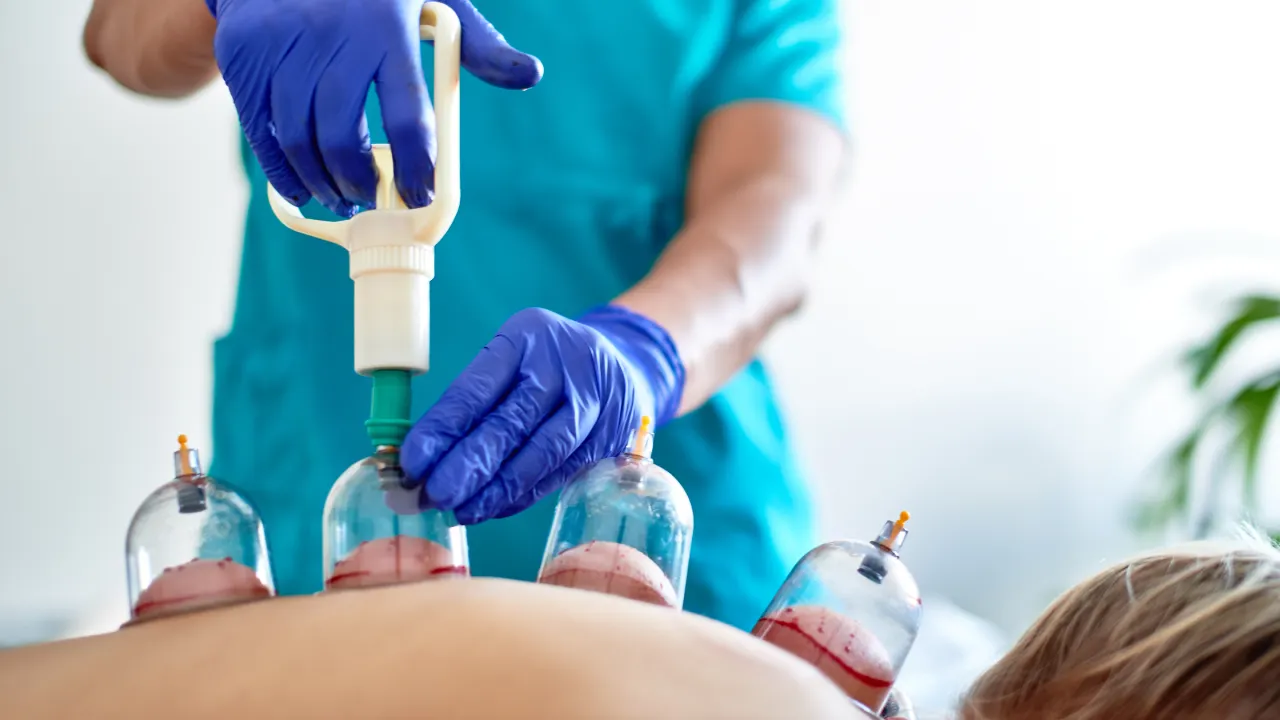
Exploring Hijama: The Traditional Wet Cupping Process and Its Role in Wellness Routines
Wellness routines can include many different practices, from exercise and balanced nutrition to massage, relaxation activities, and traditional therapies. Among these practices, Hijama has gained attention among people interested in traditional approaches to body care. Also known as wet cupping, it involves placing cups on selected areas of the skin and, in some forms, making small superficial skin incisions before applying suction.
For people in Scarborough, learning how a session works can make it easier to decide whether this traditional practice fits within their wellness routine. Knowing what happens before, during, and after a session can also help people prepare appropriate questions for a qualified practitioner.
This article explains what Hijama is, how the process generally works, why some people consider it as part of their wellness routine, and what to keep in mind before scheduling a session.
What Is Hijama?
Hijama is a traditional form of wet cupping that has been practiced in various cultures for centuries. The practice involves creating suction against the skin with cups. In wet cupping, small superficial skin openings may be made after the initial suction stage, followed by another period of gentle suction.
The practice is distinct from dry cupping, where cups are placed on the skin without making skin openings. Wet cupping requires additional attention to hygiene, skin preparation, equipment handling, and aftercare because the skin is intentionally broken.
People may seek this type of traditional therapy for different personal reasons. Some are interested in cultural or traditional wellness practices, while others are curious about how cupping fits alongside their existing self-care routines.
It is important to view Hijama as a traditional wellness practice rather than assuming that it can treat every health concern. Scientific evidence varies depending on the condition being studied, and claims about specific medical outcomes should be considered carefully.
How Does the Hijama Process Work?
A typical Hijama session may involve several stages. The exact procedure can vary according to the practitioner's approach, the areas selected, and the individual's circumstances.
1. Initial Discussion
A session generally begins with a conversation about the person's general wellness needs and relevant health information. This stage gives the practitioner an opportunity to determine whether the session is appropriate and whether certain areas should be avoided.
Clients should mention relevant health conditions, current treatments, allergies, skin concerns, pregnancy, bleeding problems, or anything else that could affect the procedure.
This discussion is also a suitable time to ask questions about hygiene, equipment, skin preparation, the number of cups being used, and aftercare.
2. Preparing the Skin
Once the areas for cupping have been identified, the skin is prepared. Clean skin and appropriate hygiene practices are important because wet cupping involves superficial skin openings.
A practitioner should use clean or sterile equipment as appropriate and follow infection-control procedures. Single-use items that come into contact with blood should be handled and discarded according to applicable safety requirements.
3. Applying the Cups
The cups are placed on selected areas of the body. Suction is then created inside the cups, causing the skin to rise slightly into them.
During this stage, a person may notice pressure, pulling, or tightness in the area beneath the cup. The sensation can vary from one individual to another.
The cups are generally left in place for a limited period rather than remaining on the skin for an extended time.
4. Superficial Skin Openings
For wet cupping, the cups may be removed after an initial suction period. The practitioner then makes small superficial openings in selected areas of the skin using appropriate equipment.
The procedure should be performed with careful hygiene and appropriate infection-control measures.
Afterward, cups are placed back onto the skin, and gentle suction is applied. A small amount of blood may enter the cups during this stage.
5. Removing the Cups
After the designated period, the cups are removed. The practitioner cleans the treated areas and provides instructions for caring for the skin afterward.
Temporary circular marks can remain where the cups were placed. These marks are generally associated with the suction and may change in appearance over the following days.
The amount of skin marking can vary depending on factors such as suction strength, placement, and individual skin characteristics.
What Does a Hijama Session Feel Like?
People can have different reactions to cupping. During the suction stage, some may feel pressure or a pulling sensation. During wet cupping, the superficial skin openings can produce a brief stinging sensation.
Communication during the session is important. If someone feels faint, unusually uncomfortable, or unwell, they should tell the practitioner immediately.
Some people may feel relaxed during a session, while others may simply notice the physical sensations associated with the cups. There is no single response that applies to everyone.
Anyone considering Hijama should focus on whether the procedure is suitable for their circumstances rather than assuming that another person's response will be identical.
5 Reasons People Consider Hijama for Their Wellness Routine
People may have different reasons for exploring traditional cupping. Here are five common considerations.
1. Interest in Traditional Wellness Practices
Some people are interested in traditional health and wellness practices that have been used across generations. Cupping has a long history in several cultural traditions.
For individuals who already incorporate traditional practices into their routine, learning about wet cupping may be part of exploring additional options.
2. A Focus on Self-Care
A wellness routine can include activities that encourage people to set aside time for body care and relaxation. Some people include cupping as one component of their broader self-care routine.
It should not replace medical assessment or treatment when someone has a health concern that requires professional medical attention.
3. Curiosity About Cupping
Curiosity is another reason people may investigate Hijama. Someone may have heard about cupping from family members, friends, cultural communities, or wellness discussions and want to learn what actually happens during a session.
Having accurate information can help people distinguish the actual procedure from exaggerated claims or misconceptions.
4. Cultural or Personal Interest
For some individuals, traditional wellness practices have cultural significance. Cupping may be familiar through family traditions or community practices.
A person's decision to explore it may therefore come from personal interest rather than a specific health complaint.
5. Adding Variety to a Wellness Routine
Wellness routines can involve several activities, including movement, rest, nutrition, stretching, massage, and other forms of self-care. Some people consider cupping to be an additional practice within that routine.
The key is to make informed choices and consider individual health circumstances before beginning any procedure that involves breaking the skin.
Is Hijama Suitable for Everyone?
No wellness procedure is appropriate for every person. Because wet cupping involves creating superficial openings in the skin, certain health circumstances may require additional caution or make the procedure unsuitable.
People should discuss relevant medical conditions with an appropriate healthcare professional before considering a session. This can be particularly important for people with bleeding disorders, certain skin conditions, compromised immunity, pregnancy-related concerns, or conditions that affect wound healing.
Anyone taking medicines or receiving medical treatment should also discuss whether cupping is appropriate with the clinician managing their care.
A qualified practitioner should assess the circumstances before proceeding. A session should not be performed simply because someone requests it without considering relevant safety factors.
What Are the Possible Skin Effects?
Temporary marks are one of the most noticeable effects associated with cupping. Round or oval discolorations may appear where the cups were placed.
Wet cupping may also cause small superficial wounds, minor bleeding, tenderness, irritation, or temporary skin sensitivity. In some cases, infection or scarring can occur, particularly when appropriate hygiene and aftercare are not followed.
People should seek medical attention if they develop signs of infection such as increasing redness, swelling, warmth, discharge, worsening tenderness, or fever.
These possibilities are important to discuss before a session so that expectations remain realistic.
How Should You Prepare for a Session?
Preparing for Hijama can involve several simple considerations.
First, provide the practitioner with accurate information about your health history and any relevant treatments. Do not leave out information that could affect safety.
Second, ask how the session will be performed. Questions about the equipment, hygiene procedures, cup placement, skin preparation, and aftercare can help you make an informed decision.
Third, wear clothing that allows practical access to the areas being treated while still maintaining comfort and privacy.
It can also be useful to avoid arriving dehydrated or physically exhausted. Follow any specific preparation instructions provided by the practitioner.
What Happens After Hijama?
After a session, the treated areas may have visible circular marks or small superficial wounds. The skin should be kept clean and cared for according to the practitioner's instructions.
Avoid unnecessary rubbing or scratching of the treated areas. Follow the aftercare information provided to you and monitor the skin for unusual changes.
People should also pay attention to how they feel after the session. If dizziness, weakness, significant bleeding, severe discomfort, or other concerning symptoms occur, medical advice should be sought.
The appropriate post-session routine can vary depending on the person's circumstances and the areas treated.
Choosing a Provider in Scarborough
For people considering traditional cupping in Scarborough, choosing a provider involves more than simply finding a convenient appointment.
Ask whether the practitioner has appropriate training and follows hygiene and infection-control procedures. It is also reasonable to ask how single-use items are handled and how treatment areas are prepared.
A clear consultation process is another useful consideration. You should have an opportunity to discuss your health information and ask questions before the procedure begins.
At Mizan Wellness, people in Scarborough can learn more about traditional wellness practices and discuss whether a cupping session fits their individual circumstances.
Frequently Asked Questions
1. Is Hijama the same as regular cupping?
No. Dry cupping places cups on the skin and creates suction without intentionally breaking the skin. Wet cupping involves superficial skin openings and may involve a small amount of blood collection.
2. How long does a Hijama session take?
The duration can vary depending on the number of areas being treated, the consultation, preparation, and aftercare. Your practitioner can explain the expected session length before beginning.
3. Does Hijama leave marks?
Cupping can leave temporary circular marks on the skin. Their appearance and duration can vary from person to person.
4. Can everyone have Hijama?
No. Certain health conditions and circumstances may require the procedure to be avoided or discussed with a healthcare professional first. A proper assessment should take place before treatment.
5. What should I ask before booking Hijama?
Ask about the practitioner's training, hygiene procedures, equipment, skin preparation, expected sensations, possible skin effects, and aftercare. You can also discuss any health concerns that may affect whether the procedure is suitable.
Final Thoughts
Hijama is a traditional wet-cupping practice involving suction and, when performed as wet cupping, small superficial skin openings. The process usually includes consultation, skin preparation, cup placement, suction, superficial skin opening, a second suction stage, cleaning, and aftercare.
People may consider it because of cultural traditions, curiosity, interest in traditional wellness, or a desire to include another form of body-care practice in their routine. However, it is important to approach the procedure with realistic expectations and consider individual health circumstances.
If you are in Scarborough and are curious about traditional cupping, taking time to ask questions before a session can help you make an informed choice. Hygiene, practitioner training, appropriate screening, and clear aftercare instructions are important considerations.
Connect With Mizan Wellness in Scarborough
Interested in learning more about Hijama? Contact Mizan Wellness in Scarborough to discuss your wellness needs, ask questions about the process, and learn what to expect during a session. Speak with the team before booking to determine whether this traditional practice is appropriate for your circumstances.
Phone: +1 647-502-4162
Address: 2100 Ellesmere Rd Unit 301, Scarborough, ON M1H 3B7, Canada

How Pain Management Can Support Daily Movement and Quality of Life in Toronto
Discomfort can influence nearly every part of a person’s day. From getting out of bed and commuting to work to preparing meals, exercising, and resting at night, persistent discomfort may change how people move and participate in routine activities. For many Toronto residents, finding practical ways to manage these challenges can play an important role in maintaining an active and fulfilling daily routine.
Pain Management is not only about responding when discomfort becomes intense. It can also involve identifying contributing factors, improving daily habits, supporting mobility, and developing strategies that fit a person’s routine. A thoughtful approach may help people manage physical challenges while continuing to take part in work, family life, social activities, and recreation.
Below are seven important facts about Pain Management and its connection to everyday quality of life in Toronto.
1. Daily Discomfort Can Affect More Than Physical Movement
Discomfort can affect more than movement. It may change how a person sits, stands, walks, sleeps, or handles routine tasks.
Over time, people may avoid stairs, shorten walks, postpone errands, or limit hobbies. Tasks such as carrying groceries, working at a desk, or playing with children can also become more difficult.
Pain Management can involve examining movement, posture, activity patterns, and daily routines to identify factors that may contribute to these challenges. Noticing these patterns early can support practical changes to movement, rest, and activity.
2. Movement Can Play an Important Role
When discomfort occurs, avoiding movement may seem natural. While short periods of rest can sometimes be appropriate, extended inactivity may contribute to stiffness, reduced mobility, and difficulty returning to regular activities.
Pain Management can involve finding a balance between activity and rest. Depending on the situation, gentle walking, stretching, mobility exercises, and regular position changes may support daily function.
For people in Toronto with busy routines, movement does not always require a large time commitment. Short walks and brief movement breaks can often fit into a workday or home routine. Paying attention to how the body responds can also help guide activity levels.
3. Posture and Daily Habits Can Influence Physical Comfort
Daily habits such as sitting at a desk, driving, standing for long periods, or repeating the same movements can place strain on muscles and joints.
Chair height, screen position, lifting habits, footwear, and sleeping positions may also influence physical comfort. Pain Management can involve reviewing these routines and making practical adjustments.
For example, taking regular movement breaks, changing positions, and using appropriate body mechanics during daily tasks may help reduce unnecessary strain and support a more comfortable routine.
4. Stress and Sleep Can Influence How the Body Feels
Physical discomfort can be influenced by many parts of daily life, including stress, poor sleep, demanding schedules, and limited downtime. Interrupted sleep may increase daytime fatigue, while ongoing stress can contribute to muscle tension.
Physical symptoms are real, but stress, rest, and daily habits may also affect how the body feels. Pain Management can involve considering sleep routines, activity patterns, opportunities for rest, and physical factors together. Consistent sleep habits, regular breaks, and calming activities may support day-to-day function.
5. Small Changes Can Add Up Over Time
Small, consistent changes can make daily routines easier to manage. Taking short walking breaks, changing positions regularly, adjusting a computer screen, or breaking larger tasks into shorter sessions are simple examples.
Pain Management can involve identifying habits that contribute to discomfort and making practical adjustments. Starting with one or two changes at a time can make new routines easier to maintain and fit into everyday life.
6. Every Person’s Situation Is Different
Two people can have discomfort in the same part of the body while facing very different challenges. One person may notice symptoms after sitting for long periods, while another may experience difficulty during physical work or recreational activities.
Age, activity level, occupation, previous injuries, movement habits, and other factors can all influence a person’s situation. This is why Pain Management should not rely solely on a one-size-fits-all strategy.
A careful assessment can help identify patterns and daily activities that may be contributing to physical strain. From there, appropriate strategies may focus on movement, mobility, posture, activity modification, and other factors relevant to the individual.
For someone in Toronto, daily demands can vary widely. A downtown office worker, a construction professional, a parent managing a household, and an active retiree may each face different physical demands. Considering these differences can make day-to-day strategies more practical and relevant.
7. Consistency Often Matters More Than Quick Fixes
When discomfort interferes with daily activities, it can be tempting to search for an immediate answer. While short-term measures may have a place, maintaining daily function often involves consistent habits and regular attention to contributing factors.
This may include following a movement routine, taking breaks from repetitive tasks, improving workplace ergonomics, monitoring activity levels, and seeking professional assessment when symptoms persist or interfere with normal life.
Pain Management is often a process rather than a single event. Progress may involve learning how the body responds to different activities and making adjustments when circumstances change.
Consistency does not mean following a rigid routine. Daily schedules change, and the body’s needs may change as well. The goal is to create habits that can realistically fit into work, family responsibilities, recreation, and other parts of life.
Pain Management Tips for Handling Discomfort During Daily Activities
Daily routines can create repeated physical demands, particularly when activities involve sitting, standing, lifting, driving, or repetitive movements. The following Pain Management tips may help people approach these activities with greater awareness.
Change Positions Regularly
Remaining in one posture for a long time can contribute to stiffness and discomfort. If your work requires prolonged sitting or standing, try changing positions at regular intervals.
Break Large Tasks into Smaller Steps
Household cleaning, yard work, moving items, and other demanding activities can sometimes be divided into shorter sessions. Taking planned pauses may reduce the strain of completing everything at once.
Pay Attention to Lifting Habits
When lifting objects, avoid unnecessary twisting and sudden movements. Keep the item close to your body and use controlled movements whenever possible.
Create a More Supportive Work Area
If you work at a desk, consider the position of your chair, keyboard, and screen. Reaching, slouching, or repeatedly turning in awkward directions may place additional demands on the body.
Include Gentle Movement in Your Routine
Walking, stretching, and mobility exercises may help reduce prolonged stiffness for some people. The appropriate activity depends on the individual and should take existing symptoms and physical limitations into account.
Listen to Changes in Your Symptoms
If an activity repeatedly causes discomfort or symptoms become more intense, it may be time to modify the activity or seek professional input. Persistent, severe, sudden, or unexplained symptoms should not be ignored.
Plan Your Day Around Demanding Activities
If you know that a particular task requires significant physical effort, consider spacing it apart from other demanding activities. Planning can help avoid placing all physical demands into a short period.
These Pain Management habits can support a more mindful approach to daily movement and activity. The aim is not to avoid all physical activity but to approach routine demands in a way that considers how your body responds.
When Should You Seek Professional Support?
Discomfort that continues, worsens, or interferes with work, sleep, mobility, or routine activities may require professional assessment. A qualified healthcare professional can evaluate symptoms and discuss appropriate next steps based on the individual situation.
It is also important to seek prompt medical attention for severe or sudden symptoms, significant weakness, numbness, symptoms following a serious injury, or other concerning changes.
Professional care may involve assessing movement patterns, discussing lifestyle factors, and identifying approaches that fit the person’s circumstances. The right course of action depends on the nature and cause of the symptoms.
FAQs About Pain Management
1. What does Pain Management involve?
Pain Management may involve assessing physical symptoms, identifying factors that contribute to discomfort, and using appropriate strategies related to movement, activity, posture, and daily habits. The approach can vary based on each person’s circumstances.
2. Can daily habits affect discomfort?
Yes. Prolonged sitting, repetitive movements, poor workstation setup, inadequate rest, and demanding physical activities may all influence how the body feels. Reviewing routine habits can help identify areas where changes may be useful.
3. Should I stop all activity when I feel discomfort?
Not necessarily. The appropriate level of activity depends on the cause and severity of symptoms. In some situations, gentle movement may be appropriate, while other situations may require rest or medical assessment.
4. When should I speak with a healthcare professional?
Consider seeking professional input when symptoms persist, worsen, interfere with routine activities, or occur with concerning signs such as severe weakness, numbness, or sudden changes.
5. How can Mizan Wellness support people in Toronto?
Mizan Wellness can work with Toronto residents who are looking for professional support related to physical discomfort, movement concerns, and day-to-day function. Contact the clinic to discuss your situation and learn about available services.
Take the Next Step
If physical discomfort is making work, movement, sleep, or routine activities more difficult, Mizan Wellness in Toronto is ready to discuss your concerns and help you explore appropriate next steps. Contact Mizan Wellness today to book a consultation and begin a conversation about your physical health and daily mobility.
Phone: +1 647-502-4162
Address: 2100 Ellesmere Rd Unit 301, Scarborough, ON M1H 3B7, Canada
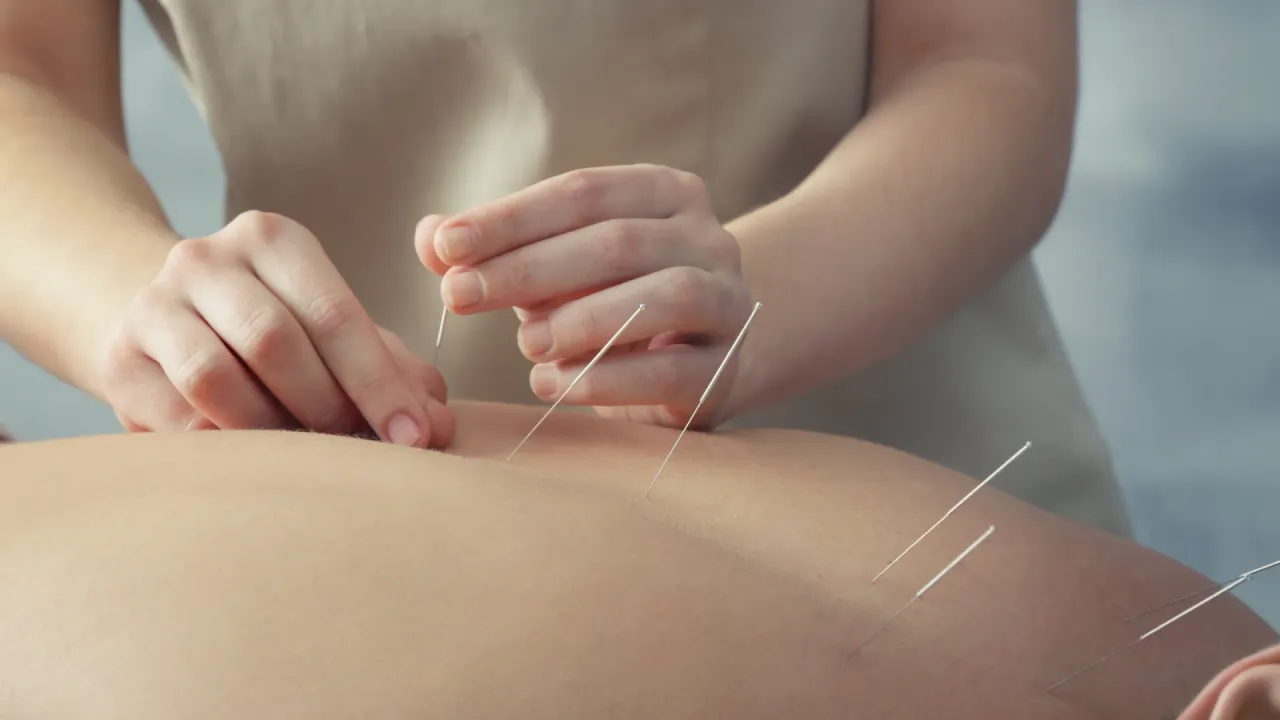
Exploring the Everyday Wellness Benefits of Acupuncture in Toronto
Many people look for simple ways to support everyday wellness while staying active and comfortable. One option that has been part of traditional practices for centuries is acupuncture. Today, people across Toronto continue to explore this approach as part of their personal wellness routines. While every individual has unique goals and results can vary, there are several reasons why this practice remains a familiar choice for many adults.
This article looks at nine benefits people commonly associate with this practice, why it has become part of many daily wellness plans, and how to decide whether it matches your needs.
Why Many People Include This Practice in Their Wellness Routine
People often have busy schedules filled with work, family responsibilities, commuting, exercise, and screen time. These daily demands can leave the body feeling tense or worn out. For many individuals, acupuncture becomes one part of a balanced lifestyle that also includes movement, sleep, healthy eating, and stress management.
Rather than focusing on a single concern, many people choose this practice because they want to support overall well-being while maintaining healthy habits over time. Regular visits may become part of an ongoing routine, much like stretching, fitness, or mindfulness activities.
1. Many People Feel More Relaxed
One of the most common reasons people schedule appointments is the feeling of relaxation that may follow a session. Daily responsibilities can create physical and mental tension, making it difficult to fully unwind.
Many individuals describe leaving a session with a calmer state of mind and a greater sense of ease. This feeling may encourage healthier routines throughout the rest of the day.
2. It May Support Everyday Comfort
Long hours at a desk, repetitive movements, sports activities, or physically demanding jobs can contribute to everyday discomfort.
Many people include this practice as part of their personal approach to staying comfortable while continuing with daily activities. Since everyone's situation is different, outcomes can vary from person to person.
3. It Can Encourage Healthy Sleep Habits
Quality sleep plays an important role in overall wellness. Busy schedules, stress, and changing routines can sometimes interfere with healthy sleeping patterns.
Many individuals say they feel more settled after a session, making it easier to maintain consistent bedtime habits. Healthy sleep also supports energy, focus, and daily performance.
4. It May Help with Stress Management
Stress affects many parts of everyday life. Work deadlines, family commitments, financial concerns, and constant digital communication can all contribute to feeling overwhelmed.
Many people include this practice alongside relaxation techniques such as breathing exercises, meditation, or regular physical activity as part of their overall stress management routine.
5. It May Support Active Lifestyles
People who enjoy walking, running, cycling, fitness classes, or recreational sports often investigate how to stay active throughout the year.
Many individuals use this approach as part of their regular wellness habits so they can continue participating in activities they enjoy while paying attention to their body's needs.
6. It May Encourage Improved Body Awareness
Many people become more aware of posture, movement, breathing, and daily habits after making wellness visits part of their routine.
This increased awareness often encourages healthier choices, including regular stretching, taking movement breaks during work, and paying attention to how the body responds to daily activities.
7. This practice can complement other healthy lifestyle choices.
Healthy eating, regular movement, hydration, and consistent sleep habits all work together to support overall wellness.
Many people view this practice as one element within a broader lifestyle plan rather than relying on a single habit alone. Combining several healthy routines often encourages consistency over time.
8. Many People Appreciate Individual Attention
During a visit, practitioners often spend time learning about a person's daily routine, lifestyle, and current concerns before beginning a session.
Many individuals value this conversation because it gives them an opportunity to discuss their goals, daily habits, and overall wellness priorities in a comfortable setting.
9. It Has a Long History of Traditional Use
For generations, people around the world have engaged in this practice. For many generations, people in different parts of the world have practiced this tradition. Its long history contributes to its continued popularity among people looking for additional ways to support everyday wellness.
While modern research continues to study many aspects of this traditional practice, people often choose it because of its long-standing place within wellness traditions.
Why People Choose acupuncture for Everyday Wellness
Daily wellness is rarely built around one habit alone. People often combine healthy meals, physical activity, quality sleep, hydration, and stress management into a routine that supports their lifestyle.
Many individuals also choose acupuncture because appointments provide dedicated time to pause from busy schedules and focus on personal well-being. Some appreciate the calm environment, while others value having a consistent wellness routine that encourages balance throughout the week.
For office workers in Toronto, long hours of sitting may contribute to stiffness. Parents may investigate how to create moments of calm during demanding schedules. Regular self-care routines may simply be what active adults want to maintain all year long. These are just a few examples of why this practice continues to attract interest from people with different lifestyles.
How to Decide Whether acupuncture Fits Your Needs
Choosing any wellness service starts with understanding your own goals.
Ask yourself a few simple questions:
- What would you like to improve in your daily routine?
- Are you looking for support alongside healthy lifestyle habits?
- Are you prepared to attend visits consistently if appropriate?
- Have you discussed your situation with a qualified healthcare professional when necessary?
- Do you feel comfortable asking questions before beginning care?
Taking time to think about these questions can help you make an informed decision. Since every individual is different, it is important to communicate openly about your health history, current concerns, and expectations before starting any new wellness routine.
Frequently Asked Questions
1. What is acupuncture?
It is a traditional practice that involves the placement of very fine needles at specific points on the body. People choose it for many different wellness goals.
2. Does acupuncture hurt?
Many people report only mild sensations during a session. Individual experiences can vary.
3. How many acupuncture visits might someone need?
The number of visits depends on personal goals, overall health, and the recommendations discussed during your consultation.
4. Can acupuncture support everyday wellness?
Many people include it alongside healthy habits such as regular movement, balanced nutrition, quality sleep, and stress management.
5. Is acupuncture suitable for everyone?
A consultation is the first step in determining whether this approach is appropriate for your individual circumstances. Always share your health history and discuss any concerns before beginning care.
Why Visit Mizan Wellness in Toronto?
If you're interested in learning whether acupuncture may suit your wellness goals, the team at Mizan Wellness in Toronto is ready to answer your questions and explain what you can expect during your visit.
Contact Mizan Wellness today to arrange a consultation and discover whether acupuncture could become part of your everyday wellness routine.
Phone: +1 647-502-4162
Address: 2100 Ellesmere Rd Unit 301, Scarborough, ON M1H 3B7, Canada

Recurring aches and Chinese medicine for ongoing body aches
Some body aches don’t fully settle. You rest for a few days, feel slightly improved, then the stiffness or discomfort returns after work, travel, or exercise. In many cases, people start exploring options like Chinese medicine for ongoing body aches when regular routines no longer seem to relieve the discomfort.
In Toronto, busy schedules, long commutes, and desk-based work often contribute to this cycle. Over time, people begin searching for approaches such as Chinese medicine body aches support to understand why symptoms keep coming back instead of fading away completely.
This article breaks down what ongoing body aches mean, why they continue, and how different care methods may support movement and daily function.
What Is Ongoing Body Ache Care in a Physiotherapy Setting?
Ongoing body-ache care focuses on improving how the body moves and handles daily activities. Instead of focusing only on where discomfort is felt, attention is given to how muscles, joints, and movement patterns work together.
In some cases, individuals explore Chinese medicine therapy alongside movement-based care to address repeated stiffness or soreness patterns. The goal is to support smoother motion and reduce strain during daily tasks.
This type of care may include posture checks, movement assessment, and structured activity plans that support function over time.
Why Body Aches Can Continue Over Time
Body aches often continue when the original cause hasn’t fully settled or when daily habits keep stressing the same areas.
Common reasons include:
- Incomplete recovery after strain or physical effort
- Repeated physical load from work or exercise routines
- Delayed attention to early signs of discomfort
- Sitting or standing positions that place uneven pressure on muscles
- Limited variation in movement throughout the day
Some individuals also seek Chinese medicine for soreness when they notice that discomfort patterns shift but do not fully resolve.
In many situations, Chinese medicine body pain concerns are explored when symptoms persist for weeks or months rather than days.
8 Signs Your Body Aches Need Attention
- Discomfort returns after short periods of rest.
- Stiffness appears after sitting for work or travel.
- Certain movements feel harder than usual.
- Daily tasks take more effort than before.
- Muscle tightness spreads to nearby areas.
- Sleep is disrupted by physical discomfort.
- Exercise or activity triggers lingering soreness.
- You notice recurring patterns in the same body region.
When these signs persist, people sometimes explore Chinese medicine options for body aches as part of their broader care journey.
Approaches Used in Physiotherapy for Long-Lasting Body Aches
Different methods are used to support movement and reduce recurring strain patterns.
- Movement and posture review to identify stress points in daily activity.
- Exercise-based recovery planning to improve strength and control.
- Mobility routines that help joints move more freely.
- Non-invasive techniques that support comfort during movement.
Some individuals also combine this with Chinese medicine practices when examining broader patterns of discomfort across the body.
In certain cases, Chinese medicine wellness practices are explored alongside movement-based care to support overall physical balance and daily function.
Common Mistakes People Make with Ongoing Body Aches
Many people unintentionally slow down their own progress through daily habits.
- Ignoring early signs and continuing normal routines
- Avoiding movement completely for long periods
- Relying only on self-assessment without evaluation
- Returning to demanding activity too quickly after discomfort
These habits can keep the cycle active. Some individuals turn to Chinese medicine body pain approaches when they feel traditional rest alone is not changing the pattern.
Body Ache Concerns in Toronto
In Toronto, daily routines often involve long commutes, desk-based work, and limited movement breaks during the day. Over time, this can contribute to stiffness in the neck, shoulders, and lower back.
Seasonal changes also affect activity levels, with colder months reducing outdoor movement. These factors together can make recurring discomfort more noticeable.
As a result, many individuals begin exploring options like Chinese medicine for ongoing body aches when they notice symptoms returning during busy work periods or after long hours of sitting.
FAQs
When should I look into care for ongoing body aches?
When discomfort recurs after rest or impairs daily movement, it may be time to explore care options.
Can physiotherapy help with old or recurring discomfort?
Yes, movement-focused care can support function even when symptoms have been present for a long time.
How long does progress usually take?
It varies depending on movement habits, activity levels, and consistency with recommended routines.
Is a referral required in Toronto?
In many cases, a referral is not required to begin physiotherapy services.
What types of issues commonly lead to ongoing body aches?
Repetitive strain, poor posture, and incomplete recovery from prior injuries are common contributors.
Can Chinese medicine be part of a care plan?
Some individuals include Chinese medicine therapy and Chinese medicine wellness practices alongside movement-based care approaches.
Moving Forward
Ongoing body aches can feel frustrating when they continue without a clear pattern of improvement. Paying attention to movement habits and early signals can help you understand what your body is responding to.
At Mizan Wellness, located at 2100 Ellesmere Rd, Unit 301, Scarborough, ON M1H 3B7, Canada, individuals often explore movement-based care alongside options such as Chinese medicine for body aches, support for ongoing body aches, and approaches to address recurring discomfort patterns.
If symptoms persist or affect daily activities, Contact Mizan Wellness for the next step.
Phone: +1 647-502-4162
Address: 2100 Ellesmere Rd Unit 301, Scarborough, ON M1H 3B7, Canada
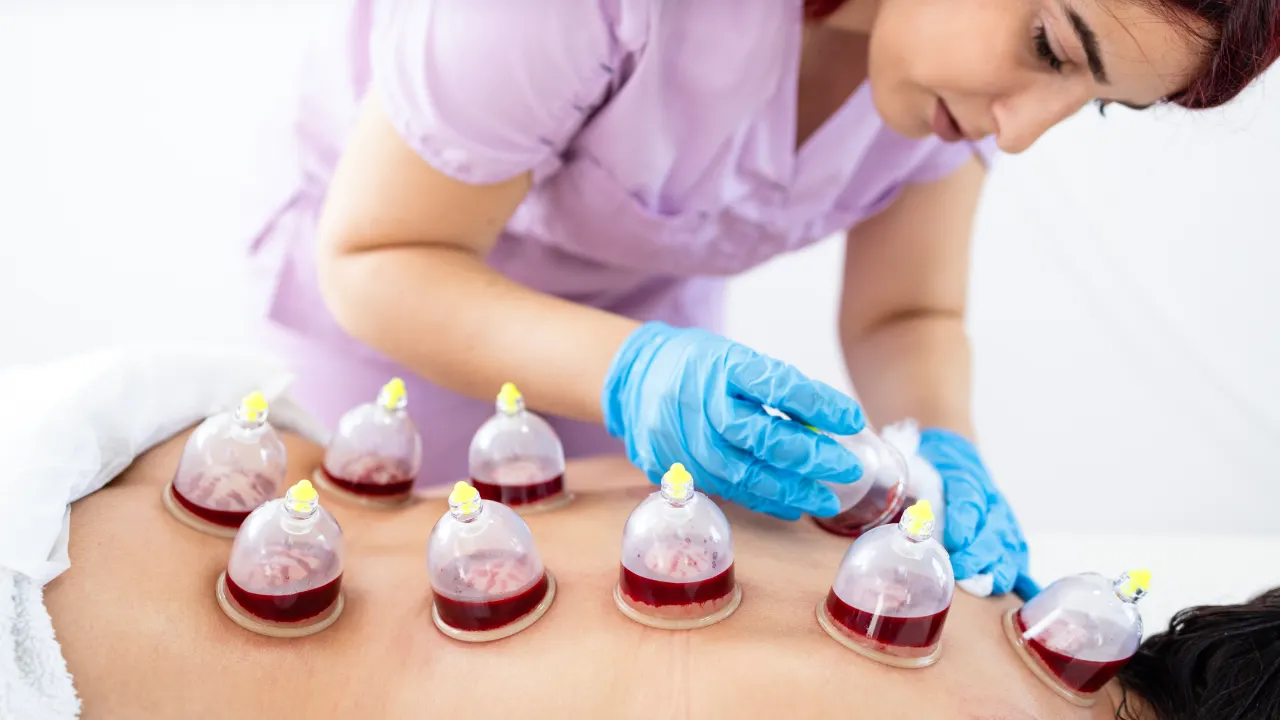
What Is Hijama Therapy?
Hijama, also known as wet cupping, is a traditional therapeutic method that involves creating small incisions on the skin and using suction to draw out a small amount of blood. This practice is rooted in ancient medicine and continues to be applied in various clinical and wellness contexts today.
People seek Hijama Therapy in Scarborough to address a variety of physical conditions ranging from muscle tightness and postural strain to fatigue and joint discomfort. It’s often used as a complement to physiotherapy for individuals who are undergoing rehabilitation or seeking relief from chronic tension.
Why Post-Treatment Care Matters
While the procedure itself is important, what follows can significantly impact results. After a Hijama session, the body enters a natural recovery phase. During this period, adopting supportive habits can improve circulation, reduce fatigue, and promote better healing.
Following the correct aftercare routine may also prevent unnecessary irritation or setbacks especially when Hijama Therapy in Scarborough is part of a broader physiotherapy plan. With the right post-treatment practices, individuals can reinforce the effects of the therapy and feel more grounded in their recovery.
How to Support Recovery After Hijama
Post-Hijama care isn’t complicated, but it does require attention. Your choices in the 24 to 72 hours following a session play a direct role in how your body responds. From hydration to skin care, here are nine clear, actionable lifestyle tips to help you recover effectively after Hijama Therapy in Scarborough.
1. Prioritize Hydration for Circulatory Recovery
The first step after your session is to increase water intake. Hijama draws out blood and stimulates the lymphatic system, and staying hydrated helps the body adjust. Water assists with detox pathways, supports energy levels, and helps replace lost fluids.
Choose room-temperature water and sip it throughout the day. You can also add natural electrolytes such as lemon, a pinch of salt, or coconut water if you feel slightly drained.
2. Avoid Intense Physical Activity for a Day
Mild movement is acceptable, but avoid any strenuous physical activity for at least 24 hours. Your body needs time to recover and redirect energy toward healing.
If you're already on a physiotherapy program, consider spacing out your appointments to allow Hijama to take full effect before reintroducing stretches or exercises. This is particularly important for individuals targeting muscle recovery or postural correction through Hijama Therapy in Scarborough.
3. Keep Warm and Stay Away from Cold Drafts
Exposure to cold immediately after Hijama can disrupt the body’s healing rhythm. It’s common for therapists to recommend that patients avoid fans, air conditioning, and cold showers in the first few hours.
This protects the open skin from external stressors and encourages better circulation. Opt for warm clothing and avoid direct exposure to wind, especially on the areas that were treated.
4. Choose Nutrient-Rich Foods Over Processed Meals
Your body benefits greatly from nourishing food after Hijama. Instead of eating heavy or processed meals, go for something lighter and more balanced.
Include fresh vegetables, whole grains, and clean proteins in your meals. Antioxidants from fruits like berries or leafy greens can support tissue repair, while omega-3s from flaxseed or fish may ease inflammation. Nutrition helps support the natural detox pathways stimulated by Hijama Therapy in Scarborough.
5. Let the Skin Heal Without Interference
You might notice circular marks where cups were placed, as well as minor incisions. These will usually fade within a few days. It’s best to avoid applying creams, oils, or topical treatments unless recommended by a practitioner.
Also, avoid scrubbing the area or using tight clothing that might irritate the healing skin. Let the body do its work naturally without unnecessary interference.
6. Monitor for Reactions and Note How You Feel
Mild fatigue or light headedness is common, especially during your first session. However, if you experience excessive bleeding, redness, swelling, or fever, it’s important to consult a practitioner promptly.
Tracking your response to Hijama Therapy in Scarborough over several sessions can also help guide future treatment choices. Take note of improvements in range of motion, muscle tension, or stress levels.
7. Time Your Physiotherapy Around Hijama
If you're receiving both physiotherapy and Hijama, it’s important to coordinate the two. Some patients find it helpful to take a short break from their regular rehab exercises after a Hijama session to allow the body to adjust.
This may help reduce inflammation and improve tissue recovery before resuming strength training or joint mobilization. Speak with your therapist about spacing your appointments to support both therapies effectively.
8. Gentle Movement Helps with Circulation
While rest is important, light walking, stretching, or mobility exercises a day after your session can promote blood flow and tissue flexibility.
If Hijama Therapy in Scarborough is being used for muscle stiffness, postural fatigue, or myofascial tension, reintroducing gentle movement after initial rest helps the treated areas function more freely. Focus on slow, controlled motions and listen to how your body responds.
9. Build a Routine and Track Results
Like many wellness practices, Hijama offers the best results when done as part of a routine. One session may provide short-term relief, but consistency allows the body to fully benefit from its circulatory and detoxifying effects.
Keep a journal of how your body reacts after each session note energy levels, sleep quality, muscle tension, and emotional well-being. This feedback loop helps both you and your practitioner assess the effectiveness of Hijama Therapy in Scarborough as part of your broader recovery plan.
Bringing It All Together
Hijama therapy is not a standalone solution it works best when integrated into a larger plan focused on movement, circulation, and functional recovery. For those already receiving physiotherapy, or seeking supportive ways to manage physical stress, this method may complement your wellness routine effectively.
The lifestyle choices you make in the hours and days following Hijama will help determine how your body adapts. Proper rest, hydration, nutrition, and movement together support your body’s ability to heal and maintain progress.
Moving Forward
Individuals considering Hijama Therapy in Scarborough should approach the experience with care and planning. What you do after each session matters just as much as the treatment itself. The post-care phase is where the real changes begin so supporting your body with mindful routines will allow the therapy to work at its fullest.
If you're looking for a clinic that integrates structured wellness with time-tested practices, Mizan Wellness provides a setting where Hijama therapy is delivered in a context of informed and responsible care.
Phone: +1 647-502-4162
Address: 2100 Ellesmere Rd Unit 301, Scarborough, ON M1H 3B7, Canada
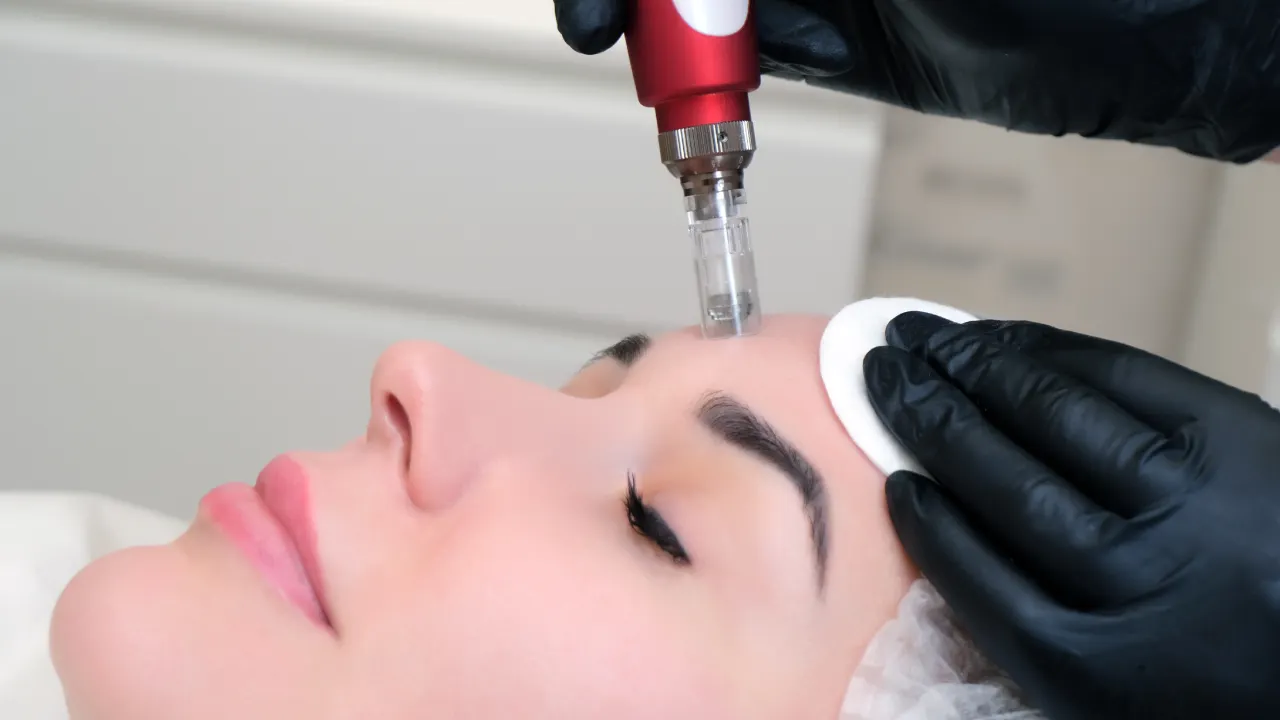
What Microneedling Is ?
Microneedling in Toronto is a skin treatment that uses tiny, sterile needles to create micro-channels in the skin’s surface. These controlled micro-injuries trigger the body’s natural repair process, encouraging collagen and elastin production. Collagen helps keep skin firm, while elastin maintains its flexibility. Together, they are essential for smooth, resilient skin.
Unlike topical treatments that work only at the surface level, microneedling goes deeper, stimulating skin regeneration from within. This makes it a versatile option for addressing fine lines, acne scars, uneven texture, and early signs of ageing.
Why People Are Choosing Microneedling
People in Toronto are increasingly interested in microneedling because of its multi-layered benefits. It doesn’t rely on harsh chemicals or invasive procedures, yet it delivers noticeable changes over time. The treatment works for different skin types and tones, and it can be adapted for various needs—whether that’s rejuvenating tired skin or targeting specific concerns like pigmentation spots.
For many, the appeal lies in how microneedling encourages the skin to heal itself. By improving circulation, stimulating cell turnover, and promoting new tissue growth, it supports healthier-looking skin with minimal downtime.
How Microneedling Works in Practice
During a session, a trained professional uses a microneedling device to move across the skin gently. The fine needles create precise micro-channels, which not only activate collagen production but also allow skincare products to absorb more effectively.
Clinics offering microneedling in Toronto often enhance the treatment by pairing it with hydrating serums or vitamin-rich solutions. This combination helps maximize results, as the skin is more receptive immediately after the procedure.
10 Key Benefits of Microneedling in Toronto
1. Boosts Natural Collagen Levels
Collagen production slows with age, leading to sagging and fine lines. Microneedling in Toronto stimulates new collagen growth, helping restore firmness and elasticity.
2. Softens Fine Lines and Wrinkles
By targeting the deeper layers of the skin, microneedling can reduce the appearance of lines, giving skin a smoother, more refined look.
3. Enhances Skin Texture and Tone
Regular treatments improve overall skin texture and help even out discolouration for a more consistent tone.
4. Minimizes the Look of Scars
From acne to surgical marks, microneedling in Toronto can help break down scar tissue and encourage healthy new skin formation.
5. Improves Product Absorption
The micro-channels created during treatment allow serums and moisturizers to penetrate deeper, making them more effective.
6. Works on a Range of Skin Types
Whether skin is light, dark, sensitive, or resilient, microneedling can be adjusted to suit different needs with minimal risk.
7. Short Recovery Time
Mild redness usually fades within a day or two, allowing people to get back to their routines quickly.
8. Preventive Skin Care Option
Some choose microneedling in Toronto before major skin issues arise, using it as a preventive measure to maintain firmness and hydration.
9. Can Be Combined with Other Treatments
Microneedling pairs well with treatments like PRP therapy or vitamin infusions for enhanced outcomes.
10. Offers Lasting Improvements with Maintenance
Occasional follow-up sessions help maintain improvements, keeping skin in better condition over time.
When to Expect Results
Most people notice subtle changes after their first session, with more visible improvements appearing after multiple treatments. Since microneedling in Toronto works by stimulating natural repair, results continue to develop for weeks as collagen levels build.
Moving Forward with Microneedling
Suppose your goal is to improve skin health without relying on harsh methods. In that case, microneedling offers a science-backed approach that works with the body’s healing ability. From smoothing wrinkles to improving texture and tone, the benefits extend beyond surface appearance. For professional guidance and treatment, you can consult a trusted provider such as Mizan Wellness.
Phone: +1 647-502-4162
Address: 2100 Ellesmere Rd Unit 301, Scarborough, ON M1H 3B7, Canada
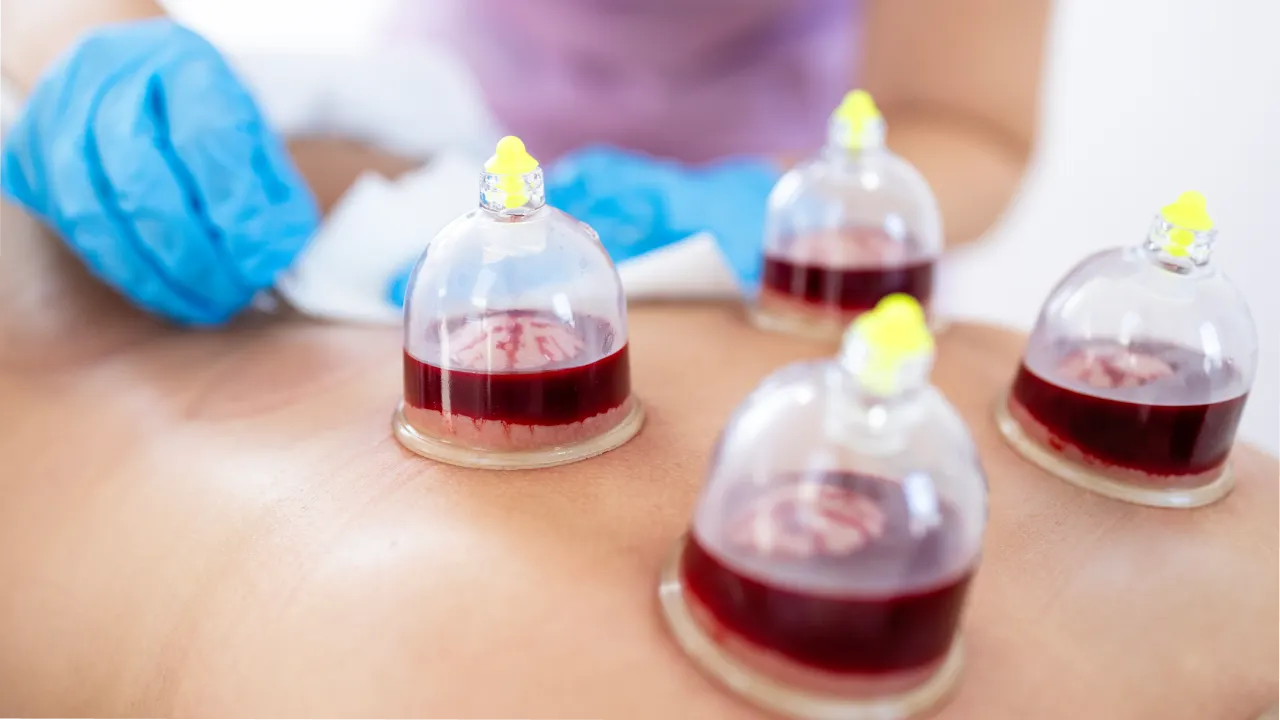
What Makes Hijama a Unique Wellness Approach
Practitioners have used Hijama, often referred to as cupping therapy, in different parts of the world for centuries. Today, Hijama in Toronto is being reintroduced in a modern setting, bridging conventional healing methods with current wellness practices. The process involves placing cups on specific areas of the skin to create a gentle suction effect. People believe this suction stimulates blood flow, eases muscle tension, and encourages the body’s natural recovery processes.
Why People in Toronto Are Turning to Hijama
The renewed interest in Hijama in Toronto stems from a growing desire for care approaches that work alongside the body’s natural systems. Many residents view it as a means to support circulation, alleviate muscular discomfort, and enhance overall wellbeing without relying heavily on invasive procedures. For some, it’s a complement to physiotherapy sessions; for others, it’s a standalone method to help them feel more balanced and physically at ease.
How Hijama Works in Practice
A typical session of Hijama in Toronto involves placing specially designed cups on chosen areas of the body, often the back, shoulders, or legs. The cups create suction, which gently lifts the skin and underlying tissues. This may encourage increased blood flow, loosen tight muscles, and promote a sense of relaxation. The practitioner can tailor sessions to target specific areas of concern or support overall wellness, depending on the individual’s goals.
Key Benefits of Hijama for Different Needs
1. Encouraging Circulation
One of the most noted effects of Hijama in Toronto is its potential to boost local blood flow. By drawing blood toward the surface, the therapy can improve nutrient delivery and assist in the removal of metabolic waste products from tissues.
2. Easing Muscular Tension
The negative pressure created during Hijama can help stretch and loosen muscle fibres. People experiencing stiffness, tightness, or post-activity soreness may find it helpful in restoring movement and flexibility.
3. Complementing Pain Management Plans
Although it does not replace medical care, people can integrate Hijama in Toronto into broader discomfort management strategies. Increased circulation and gentle tissue stimulation may provide additional Relief when combined with other therapeutic approaches.
4. Supporting Recovery After Physical Activity
Athletes and active individuals sometimes include Hijama in Toronto in their recovery routines. Targeting overworked muscles can help reduce post-exercise soreness and speed up the return to normal activity levels.
5. Promoting Relaxation and Stress Relief
Beyond physical benefits, Hijamacan be a calming experience. This relaxation effect may assist with stress management and contribute to better sleep quality, both of which are important for recovery.
6. Potential Detoxification Support
Some practitioners believe that Hijama in Toronto helps encourage the body’s natural detoxification processes by drawing impurities toward the surface. While research continues, this remains a key reason why some choose the therapy.
7. Enhancing Skin Vitality
By increasing blood supply to the skin, Hijamamay improve skin tone and texture. Improved nutrient delivery can also contribute to overall skin health.
8. Supporting Joint Comfort
Targeted application of Hijama in Toronto may help ease stiffness in joints by loosening surrounding tissues and improving mobility. This can make everyday tasks more comfortable.
9. Contributing to Overall Wellness Maintenance
Some people sometimes use regular sessions of Hijama in Toronto as a preventive measure. People choose it to maintain flexibility, circulation, and a balanced sense of wellbeing.
10. Integrating with Physiotherapy
When combined with physiotherapy, Hijamacan create a more comprehensive approach to recovery. It may help prepare muscles for stretching or exercise by improving tissue pliability.
Choosing to Include Hijama in Your Wellness Plan
Exploring Hijama in Toronto can be a thoughtful step for those looking to combine traditional and modern approaches to wellness. You should work with practitioners who understand the technique’s principles and can align it with your individual needs.. For those interested in professional, careful application, Mizan Wellness provides sessions in a supportive environment that respects both tradition and modern standards.
Phone: +1 647-502-4162
Address: 2100 Ellesmere Rd Unit 301, Scarborough, ON M1H 3B7, Canada
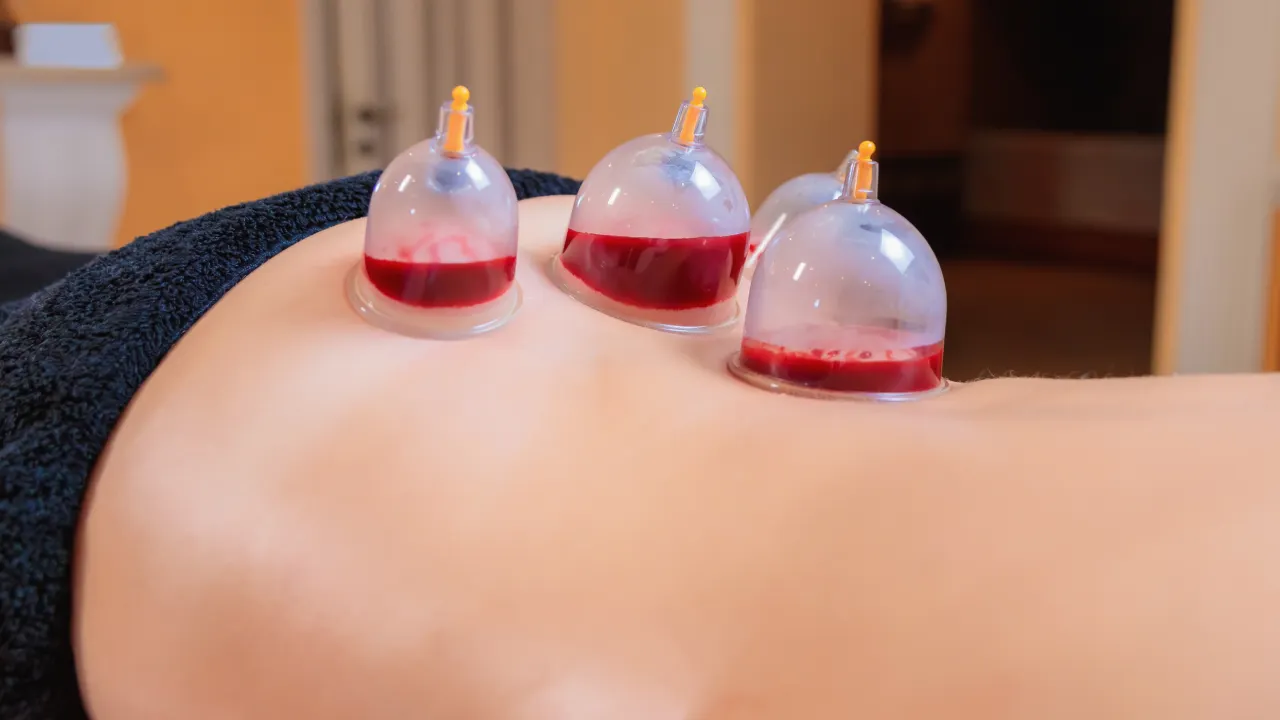
What Makes Hijama an Intriguing Option for Pain Management?
Modern lifestyles often demand long hours at desks, repetitive physical tasks, or intense sports training. These habits can leave the body feeling tight, sore, and worn down. In recent years, more people have been seeking ways to manage discomfort without relying solely on medication. One approach gaining attention is Hijama in Toronto, an ancient therapy with modern relevance.
This traditional technique, also known as cupping therapy, involves creating suction on targeted areas of the body. The goal is to stimulate circulation, loosen tissues, and support the body’s natural recovery processes. Its roots date back centuries in various cultures, and people are now exploring its benefits alongside physiotherapy and other rehabilitative care.
Why More Toronto Residents Are Exploring Hijama
In a city where work-life balance can be a challenge, many residents are turning to Hijama in Toronto as part of their wellness strategy. People often seek it out for:
- Muscular tightness from desk work or physical labour
- Post-exercise recovery after sports or training
- Chronic discomfort that resists conventional approaches
- Headaches linked to muscle tension
- General sluggishness or reduced mobility
Part of its appeal lies in its adaptability. Whether you’re an athlete, an office professional, or someone recovering from an injury, the practitioner can adjust sessions to suit specific needs.
How the Technique Works on the Body
Hijama in Toronto typically involves placing small cups on the skin and creating suction either through dry cupping (without incisions) or wet cupping (with minor surface incisions). This suction encourages increased blood flow to the treated area, which can help release muscle tension, break up fascia restrictions, and promote tissue repair.
For example, placing cups across the upper back and shoulder region might help a person dealing with persistent shoulder discomfort find Relief. An athlete could benefit from targeted treatment on the legs to maintain flexibility after strenuous training.
Integrating Hijama with Physiotherapy
When used alongside physiotherapy, Hijama in Toronto can complement recovery in a meaningful way. Physiotherapy focuses on restoring strength, flexibility, and proper movement patterns. At the same time, cupping helps prepare the muscles and tissues for this work.
In practice, a physiotherapist might recommend a cupping session before guided stretching or strength exercises. The improved circulation and loosened tissues can make the exercises easier and more effective, while also reducing post-session soreness.
What to Expect in a First Session
If you’re new to Hijama in Toronto, sessions usually start with an assessment. The practitioner will ask about your medical history, lifestyle, and pain points. Practitioners choose specific areas for treatment based on this information.
The practitioner applies the cups, creates suction, and leaves them in place for several minutes. Mild redness or circular marks are common after the session, a standard response that typically fades within a week.
Safety Considerations Before Starting
When performed by trained professionals, Hijama is generally considered safe. However, some people may need to avoid it, including those who are pregnant, have bleeding disorders, or are on certain medications.
A reputable clinic will follow strict hygiene measures, using sterilized equipment and ensuring proper skin preparation before each session. Sharing your health information with the practitioner beforehand is essential for safety and effectiveness.
Why It’s Gaining Ground in Toronto
The increased availability of Hijama in Toronto means more people have access to skilled practitioners who understand both the traditional and modern applications of the therapy. The city’s diverse population also brings a cultural familiarity with the practice, encouraging its integration into mainstream wellness options.
In a fast-paced urban environment, therapies that are non-invasive, adaptable, and supportive of overall function hold strong appeal. For many, Hijama offers a refreshing way to address recurring tension or discomfort without a heavy reliance on medications.
Taking the Next Step in Your Wellness Plan
If you’re looking for a pain management approach that blends tradition with contemporary care, Hijama in Toronto is worth exploring. Whether you’re recovering from an injury, easing the effects of a desk-bound routine, or aiming to enhance athletic recovery, this therapy can work alongside physiotherapy to support your goals.
For residents seeking experienced practitioners in a supportive setting, Mizan Wellness offers professional Hijama services as part of a broader care approach.
Phone: +1 647-502-4162
Address: 2100 Ellesmere Rd Unit 301, Scarborough, ON M1H 3B7, Canada
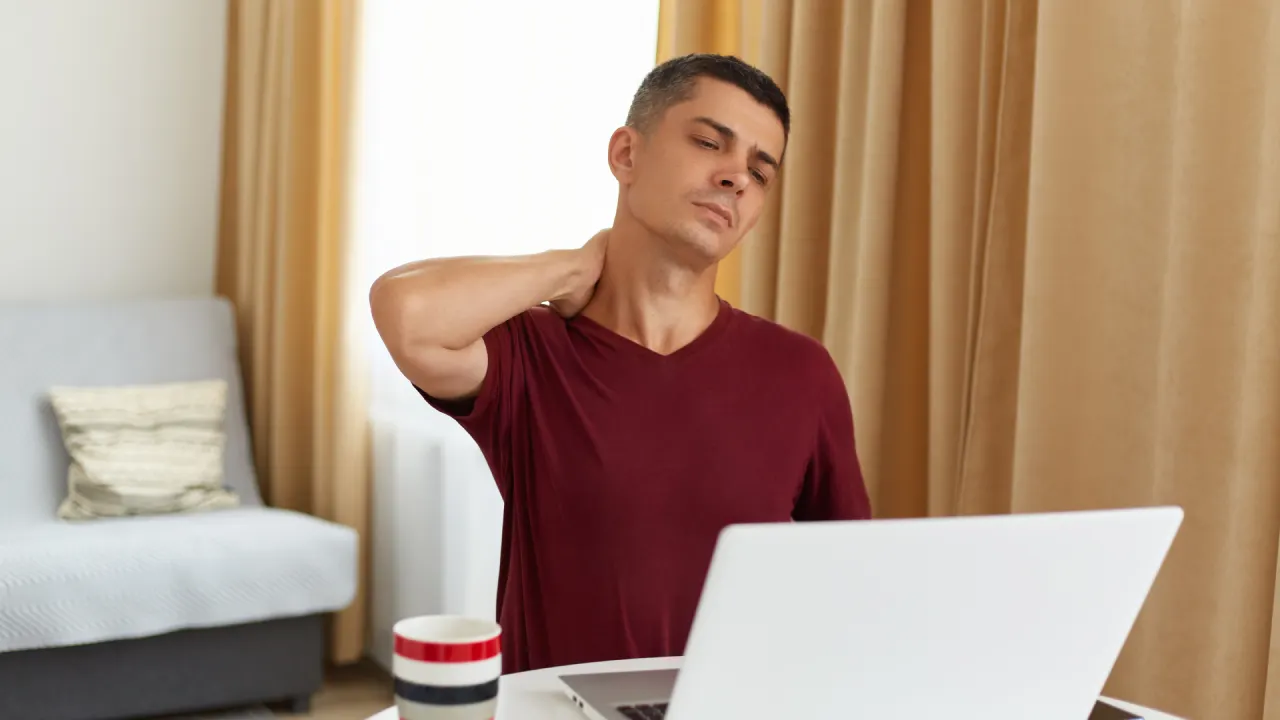
What Is Pain Management?
Pain management refers to a broad range of clinical approaches designed to reduce or control physical discomfort without relying heavily on medication or surgery. In Toronto, physiotherapy clinics are seeing a rising demand for conservative care options—especially those that avoid invasive procedures. These methods are not just about temporary relief; they support a more sustainable approach to recovery by targeting the root causes of discomfort.
Why Non-Invasive Methods Are Becoming the First Choice
In many cases, individuals dealing with joint stiffness, muscle tension, or chronic discomfort are reluctant to undergo surgical intervention or rely on pharmaceuticals long-term. This is where non-invasive approaches step in. These methods often focus on restoring function, improving range of motion, and easing irritation in the nervous or musculoskeletal systems—all without breaking the skin or requiring downtime.
Pain management in Toronto has evolved to include several effective, evidence-informed strategies offered in physiotherapy clinics. These options are adaptable and can be used across different age groups and physical conditions, from desk workers to athletes.
How Physiotherapy Clinics in Toronto Approach Non-Invasive Pain Relief
Clinicians in Toronto use a combination of manual techniques, exercise-based therapy, and low-impact technologies to manage various types of physical discomfort. Each method is selected based on a client’s specific history, symptoms, and physical goals. The following are five widely used non-invasive techniques that are helping people throughout Toronto feel more comfortable in daily movement.
1. Manual Therapy
Manual therapy involves precise hands-on movements applied to joints and soft tissues. It's designed to restore mobility, reduce physical tension, and improve the body’s alignment. Unlike general massage, manual therapy is clinical in nature and often used to address underlying mechanical dysfunctions.
Where It Helps Most:
- Restricted spinal mobility
- Muscle-related discomfort
- Shoulder, hip, or neck stiffness
Physiotherapists tailor these techniques to target specific areas where tightness or restriction is limiting function.
2. Targeted Therapeutic Exercise
Exercise therapy goes beyond stretching or general fitness. It involves guided movement patterns designed to strengthen weak muscles, reduce mechanical stress, and restore normal joint alignment. In pain management plans across Toronto, these exercises are selected for their ability to address imbalances and build resilience.
Key Outcomes:
- Restored movement confidence
- Reduced irritation caused by repetitive strain
- Lower risk of recurring injuries
Exercises are regularly reassessed and modified based on a person’s ongoing response to treatment.
3. TENS (Transcutaneous Electrical Nerve Stimulation)
TENS is a device-based technique where small electrical impulses are delivered through adhesive pads on the skin. It’s used to interrupt pain signals and stimulate natural endorphin production.
Common Uses in Toronto Physiotherapy:
- Nerve-related conditions
- Acute flare-ups
- Low back or shoulder discomfort
TENS can be used within a session or prescribed for use at home under guidance.
4. Therapeutic Ultrasound
Ultrasound therapy involves sound waves directed into soft tissues, promoting circulation and metabolic activity in the affected area. It’s particularly useful in addressing ligament injuries, muscle strains, and tendon inflammation.
Benefits Noted:
- Accelerated healing
- Localized tissue warming
- Reduction in tightness
In Toronto clinics, ultrasound is often paired with other manual or exercise techniques for cumulative effect.
5. Dry Needling and Clinical Acupuncture
Though it involves needles, this technique remains non-surgical and is typically used by physiotherapists trained in musculoskeletal needling. Dry needling focuses on releasing trigger points, while acupuncture uses mapped body points to regulate tension and blood flow.
Used For:
- Muscle knots
- Overuse injuries
- Tension-type headaches
The application is quick and relatively painless, and most individuals report improved movement shortly after treatment.
Integrating Non-Invasive Care into Daily Life
Many people delay treatment for discomfort until it begins to interfere with work, sleep, or daily routines. With non-invasive options becoming more accessible, early intervention is now easier. These techniques offer a low-risk entry point into a broader recovery plan that includes education, lifestyle adjustment, and movement strategy.
The core benefit lies not just in easing symptoms—but in preventing the issue from escalating or recurring. Toronto residents seeking options for pain management in Toronto often find that a few structured sessions with a physiotherapist can uncover practical, long-lasting solutions to everyday discomfort.
Moving Forward
If you’re navigating discomfort and unsure about where to begin, physiotherapy can provide a clear starting point. Through non-invasive strategies like manual therapy, targeted movement, and advanced technologies, clinics offer meaningful ways to reduce discomfort and improve quality of life.
At Mizan Wellness, the approach to care is designed to support individuals seeking non-invasive methods for managing physical discomfort—tailored to Toronto’s diverse community and daily movement needs.
Phone: +1 647-502-4162
Address: 2100 Ellesmere Rd Unit 301, Scarborough, ON M1H 3B7, Canada

How Acupuncture in Scarborough Supports Modern Physiotherapy Care
Acupuncture has become an established method used in many physiotherapy clinics across Canada. Among residents seeking care in the Greater Toronto Area, acupuncture in Scarborough is increasingly incorporated into treatment plans for a variety of physical conditions. This article provides a clear, modern explanation of how acupuncture is applied within clinical physiotherapy settings, what conditions it supports, and what patients can expect from this approach.
What Is Acupuncture?
Acupuncture is a clinical technique that involves inserting very thin, sterile needles into specific points on the body. In physiotherapy settings, these points are chosen based on anatomical, muscular, and neurological relevance. The objective is to influence the body’s systems particularly the musculoskeletal and nervous systems to support recovery, reduce discomfort, and improve functional movement.
Unlike other interventions that rely on medication or invasive procedures, acupuncture offers a non-pharmaceutical option to influence physical responses. Clinics providing acupuncture in Scarborough typically integrate the method alongside manual therapy, rehabilitation exercises, and education.
Why Physiotherapists Use Acupuncture
In a clinical context, acupuncture is used to influence nerve signaling, stimulate circulation, and reduce tension in deep tissue. Physiotherapists use it as a tool to:
- Diminish muscle tightness that may not respond to stretching alone
- Improve local blood flow to support tissue healing
- Calm nerve sensitivity that contributes to chronic discomfort
- Prepare muscles for strength or mobility exercises
When delivered in a physiotherapy setting, acupuncture in Scarborough follows clear clinical guidelines. The process includes patient screening, goal-based planning, and integration with broader treatment strategies.
How Acupuncture Is Applied
Physiotherapists who are trained and licensed to use acupuncture begin with a detailed assessment. This includes reviewing symptoms, checking movement patterns, and identifying trigger points or areas of muscular restriction.
Sterile, single-use needles are inserted into the skin, usually for 15 to 30 minutes. These needles are extremely fine, and their insertion is typically painless or accompanied by only minor sensations. Patients might feel dull pressure, tingling, or warmth at the site.
Clinics offering acupuncture in Scarborough may also use techniques such as:
- Dry needling, a more targeted form of acupuncture aimed at muscular trigger points
- Electroacupuncture, which involves applying a mild electrical pulse to certain needles to increase stimulus
All applications are tailored to the patient’s clinical presentation and physical goals.
Conditions Commonly Treated
Patients receiving acupuncture in Scarborough often have a variety of conditions. It is rarely a standalone treatment, but rather a technique integrated into broader care.
1. Muscle Tension and Trigger Points
Many people suffer from chronic muscle tightness, particularly in the neck, shoulders, or back. Acupuncture may help reset muscle tone and reduce mechanical restrictions.
2. Postural Strain
Desk work, repetitive movement, or improper lifting techniques can cause pain related to poor posture. Needling specific muscles may improve alignment and reduce stress on joints.
3. Sports Injuries
Sprains, tendon issues, or overuse injuries are common among athletes. When used in conjunction with exercise-based therapy, acupuncture may help shorten recovery time by easing local inflammation and promoting circulation.
4. Nerve Irritation
Conditions like sciatica or nerve entrapments may involve irritation or referred pain. Acupuncture points are selected to modulate nerve activity and support functional movement.
5. Tension-Type Headaches
In some individuals, headaches are related to muscular strain around the neck and shoulders. Clinical acupuncture can help reduce this tension and restore muscular balance.
What to Expect During a Session
For patients attending acupuncture in Scarborough, a session is structured and goal-oriented. Here’s a general overview of what takes place:
- Assessment: The physiotherapist evaluates posture, muscle function, symptoms, and physical goals.
- Planning: A treatment plan is created, which may include acupuncture as one component.
- Needle Application: Thin needles are inserted into selected points based on your needs. The therapist monitors your comfort level and physiological response.
- Recovery and Debriefing: Needles are removed, and recommendations for activity or follow-up care are given.
Most patients tolerate the procedure well. Some feel immediate muscle release; others notice gradual improvement over several sessions.
Safety and Regulation
In Ontario, physiotherapists who offer acupuncture must complete post-graduate certification and follow the standards set by the College of Physiotherapists of Ontario. This ensures patient safety and clinical appropriateness.
When receiving acupuncture in Scarborough, you can expect:
- Use of sterile, single-use needles
- Clear explanation of risks and goals
- Professional conduct and informed consent
- Ongoing assessment of treatment effectiveness
Mild effects such as small bruises, temporary soreness, or fatigue can occur but usually resolve quickly.
Is Acupuncture Right for You?
Acupuncture may be suitable for people who:
- Experience muscle or joint discomfort resistant to other methods
- Prefer options that do not involve medication
- Are recovering from injury or surgery
- Have movement restrictions linked to deep muscle tension
- Need support managing stress-related muscular symptoms
Clinics offering acupuncture in Scarborough determine eligibility on a case-by-case basis. The technique is not appropriate for individuals with certain conditions, including active infections, specific bleeding disorders, or uncontrolled health conditions.
Integration With Physiotherapy Treatment Plans
Physiotherapists use acupuncture as one part of a wider treatment approach. It is most effective when paired with:
- Targeted exercise programs to rebuild strength and flexibility
- Manual therapy to improve joint mobility
- Posture and movement retraining to prevent recurrence
- Education to help patients understand and manage their condition
In this context, acupuncture in Scarborough is not about addressing one symptom, but about improving physical function and adaptability through a coordinated plan.
Preparing for Your Appointment
Here are a few simple steps to take before your first appointment:
- Dress comfortably: This allows easy access to the treatment area.
- Eat a light meal: Avoid coming on an empty stomach.
- Arrive with questions: Your physiotherapist will explain the goals and address concerns.
- Share full history: Medical background, medications, and previous experiences can influence your treatment plan.
How to Find the Right Provider
If you’re considering acupuncture in Scarborough, focus on clinics that provide:
- A regulated, licensed physiotherapist with acupuncture certification
- A thorough assessment and goal-oriented treatment planning
- Integrated care with manual therapy and exercise-based rehabilitation
- Transparency about risks, benefits, and expected outcomes
Avoid clinics that offer acupuncture without a physical evaluation or that promote it as a cure-all. It should always be part of a comprehensive, evidence-informed care plan.
Moving Forward
Acupuncture in Scarborough is increasingly used as a targeted method to support physical rehabilitation. In regulated physiotherapy settings, it is applied with a focus on musculoskeletal function, neural response, and tissue recovery. While not suitable for every individual, it may contribute to improved comfort, movement, and recovery when combined with a structured treatment plan.
If you’re exploring options for physical therapy or injury recovery, discussing acupuncture with a licensed physiotherapist could offer another tool in your path toward better physical performance and resilience.
Phone: +1 647-502-4162
Address: 2100 Ellesmere Rd Unit 301, Scarborough, ON M1H 3B7, Canada