Our Blog & Tips
Insightful Blogs & Expert Tips for Your Wellness Journey
Discover insights, expert advice, and empowering tips in Our Blogs & Tips. Unlock the secrets to healthier living, self-care, and wellness—one post at a time. Let us inspire your journey toward balance, vitality, and a happier, healthier you. Dive in and transform your life today!

Pain Management in Toronto
What Is Pain Management?
Pain Management in Toronto refers to a broad range of clinical approaches designed to reduce or control physical discomfort without relying heavily on medication or surgery. In Toronto, physiotherapy clinics are seeing a rising demand for conservative care options—especially those that avoid invasive procedures. These methods are not just about temporary Relief; they support a more sustainable approach to recovery by targeting the root causes of discomfort.
Why Non-Invasive Methods Are Becoming the First Choice
In many cases, individuals dealing with joint stiffness, muscle tension, or chronic discomfort are reluctant to undergo surgical intervention or rely on pharmaceuticals long-term. This is where non-invasive approaches step in. These methods often focus on restoring function, improving range of motion, and easing irritation in the nervous or musculoskeletal systems—all without breaking the skin or requiring downtime.
Pain management in Toronto has evolved to include several effective, evidence-informed strategies offered in physiotherapy clinics. These options are adaptable and can be used across different age groups and physical conditions, from desk workers to athletes.
How Physiotherapy Clinics in Toronto Approach Non-Invasive Pain Relief
Clinicians in Toronto for Pain Management in Toronto use a combination of manual techniques, exercise-based therapy, and low-impact technologies to manage various types of physical discomfort. Each method is selected based on a client’s specific history, symptoms, and physical goals. The following are five widely used non-invasive techniques that are helping people throughout Toronto feel more comfortable in daily movement.
1. Manual Therapy
Manual therapy involves precise hands-on movements applied to joints and soft tissues. It’s designed to restore mobility, reduce physical tension, and improve the body’s alignment. Unlike general massage, manual therapy is clinical and often used to address underlying mechanical dysfunctions.
Where It Helps Most:
- Restricted spinal mobility
- Muscle-related discomfort
- Shoulder, hip, or neck stiffness
Physiotherapists tailor these techniques to target specific areas where tightness or restriction is limiting function.
2. Targeted Therapeutic Exercise
Exercise therapy goes beyond stretching or general fitness. It involves guided movement patterns designed to strengthen weak muscles, reduce mechanical stress, and restore normal joint alignment. In pain management plans across Toronto, these exercises are selected for their ability to address imbalances and build resilience.
Key Outcomes:
- Restored movement Confidence
- Reduced irritation caused by repetitive strain
- Lower risk of recurring injuries
Exercises are regularly reassessed and modified based on a person’s ongoing response to treatment.
3. TENS (Transcutaneous Electrical Nerve Stimulation)
TENS is a device-based technique where small electrical impulses are delivered through adhesive pads on the skin. It’s used to interrupt pain signals and stimulate natural endorphin production.
Common Uses in Toronto Physiotherapy:
- Nerve-related conditions
- Acute flare-ups
- Low back or shoulder discomfort
TENS can be used within a session or prescribed for use at home under guidance.
4. Therapeutic Ultrasound
Ultrasound therapy involves sound waves directed into soft tissues, promoting circulation and metabolic activity in the affected area. It’s beneficial in addressing ligament injuries, muscle strains, and tendon inflammation.
Benefits Noted:
- Accelerated healing
- Localized tissue warming
- Reduction in tightness
In Toronto clinics, ultrasound is often paired with other manual or exercise techniques for a cumulative effect.
5. Dry Needling and Clinical Acupuncture
Though it involves needles, this technique remains non-surgical and is typically used by physiotherapists trained in musculoskeletal needling. Dry needling focuses on releasing trigger points, while acupuncture uses mapped body points to regulate tension and blood flow.
Used For:
- Muscle knots
- Overuse injuries
- Tension-type headaches
The application is quick and relatively painless, and most individuals report improved movement shortly after treatment.
Integrating Non-Invasive Care Into Daily Life
Many people delay treatment for discomfort until it begins to interfere with work, sleep, or daily routines. With non-invasive options becoming more accessible, early intervention is now easier. These techniques offer a low-risk entry point into a broader recovery plan that includes education, lifestyle adjustment, and movement strategy.
The core benefit lies not just in easing symptoms—but in preventing the issue from escalating or recurring. Toronto residents seeking options for pain management in Toronto often find that a few structured sessions with a physiotherapist can uncover practical, long-lasting solutions to everyday discomfort.
Moving Forward
If you’re navigating discomfort and unsure about where to begin, physiotherapy can provide a clear starting point. Through non-invasive strategies like manual therapy, targeted movement, and advanced technologies, clinics offer meaningful ways to reduce discomfort and improve quality of life.
At Mizan Wellness, the approach to care is designed to support individuals seeking non-invasive methods for managing physical discomfort—tailored to Toronto’s diverse community and daily movement needs.
Hijama Therapy in Toronto
What Is Hijama Therapy?
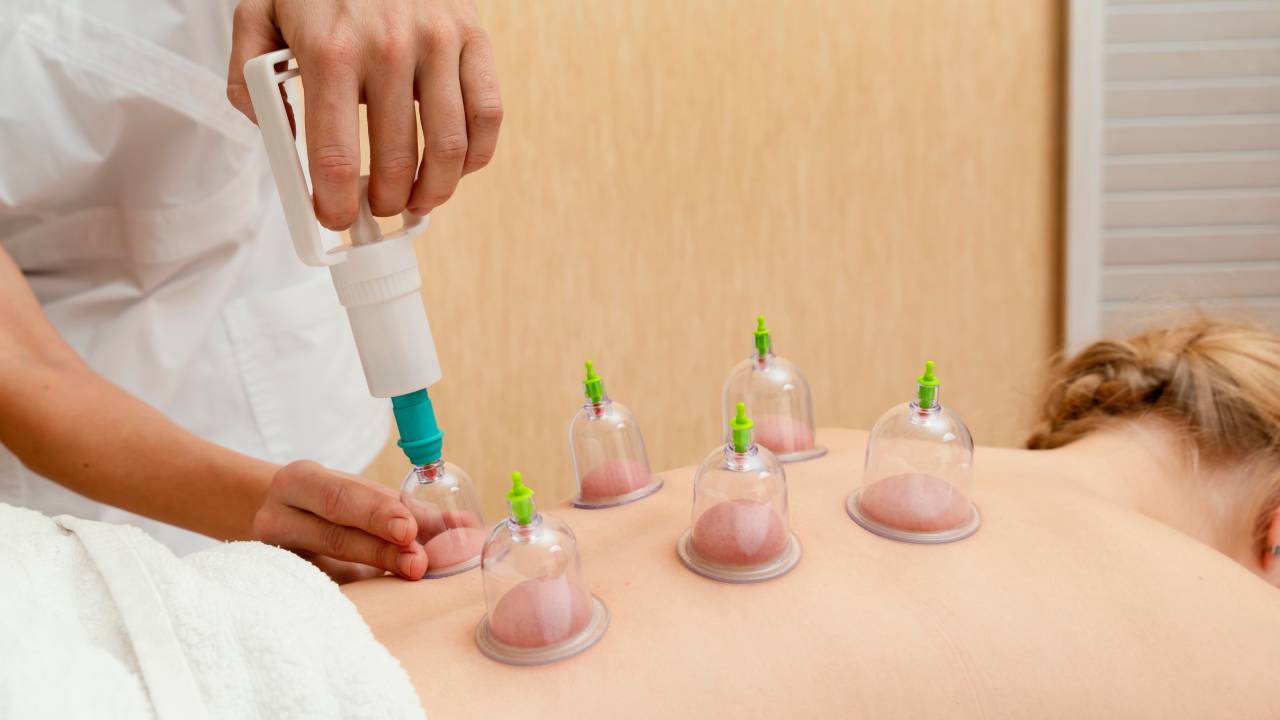
Hijama, also known as wet cupping, is a traditional therapeutic method that involves creating small incisions on the skin and using suction to draw out a small amount of blood. This practice is rooted in ancient medicine and continues to be applied in various clinical and wellness contexts today.
People seek Hijama Therapy in Toronto to address a variety of physical conditions ranging from muscle tightness and postural strain to fatigue and joint discomfort. It’s often used as a complement to physiotherapy for individuals who are undergoing rehabilitation or seeking relief from chronic tension.
Why Post-Treatment Care Matters
While the procedure itself is important, what follows can significantly impact results. After a Hijama session, the body enters a natural recovery phase. During this period, adopting supportive habits can improve circulation, reduce fatigue, and promote better healing.
Following the correct aftercare routine may also prevent unnecessary irritation or setbacks especially when Hijama Therapy in Toronto is part of a broader physiotherapy plan. With the right post-treatment practices, individuals can reinforce the effects of the therapy and feel more grounded in their recovery.
How to Support Recovery After Hijama
Post-Hijama care isn’t complicated, but it does require attention. Your choices in the 24 to 72 hours following a session play a direct role in how your body responds. From hydration to skin care, here are nine clear, actionable lifestyle tips to help you recover effectively after Hijama Therapy in Toronto.
1. Prioritize Hydration for Circulatory Recovery
The first step after your session is to increase water intake. Hijama draws out blood and stimulates the lymphatic system, and staying hydrated helps the body adjust. Water assists with detox pathways, supports energy levels, and helps replace lost fluids.
Choose room-temperature water and sip it throughout the day. You can also add natural electrolytes such as lemon, a pinch of salt, or coconut water if you feel slightly drained.
2. Avoid Intense Physical Activity for a Day
Mild movement is acceptable, but avoid any strenuous physical activity for at least 24 hours. Your body needs time to recover and redirect energy toward healing.
If you're already on a physiotherapy program, consider spacing out your appointments to allow Hijama to take full effect before reintroducing stretches or exercises. This is particularly important for individuals targeting muscle recovery or postural correction through Hijama Therapy in Toronto.
3. Keep Warm and Stay Away From Cold Drafts
Exposure to cold immediately after Hijama can disrupt the body’s healing rhythm. It’s common for therapists to recommend that patients avoid fans, air conditioning, and cold showers in the first few hours.
This protects the open skin from external stressors and encourages better circulation. Opt for warm clothing and avoid direct exposure to wind, especially on the areas that were treated.
4. Choose Nutrient-Rich Foods Over Processed Meals
Your body benefits greatly from nourishing food after Hijama in Toronto. Instead of eating heavy or processed meals, go for something lighter and more balanced.
Include fresh vegetables, whole grains, and clean proteins in your meals. Antioxidants from fruits like berries or leafy greens can support tissue repair, while omega-3s from flaxseed or fish may ease inflammation. Nutrition helps support the natural detox pathways stimulated by Hijama Therapy in Toronto.
5. Let the Skin Heal Without Interference
You might notice circular marks where cups were placed, as well as minor incisions. These will usually fade within a few days. It’s best to avoid applying creams, oils, or topical treatments unless recommended by a practitioner.
Also, avoid scrubbing the area or using tight clothing that might irritate the healing skin. Let the body do its work naturally without unnecessary interference.
6. Monitor for Reactions and Note How You Feel
Mild fatigue or light headedness is common, especially during your first session. However, if you experience excessive bleeding, redness, swelling, or fever, it’s important to consult a practitioner promptly.
Tracking your response to Hijama Therapy in Toronto over several sessions can also help guide future treatment choices. Take note of improvements in range of motion, muscle tension, or stress levels.
7. Time Your Physiotherapy Around Hijama
If you're receiving both physiotherapy and Hijama, it’s important to coordinate the two. Some patients find it helpful to take a short break from their regular rehab exercises after a Hijama session to allow the body to adjust.
This may help reduce inflammation and improve tissue recovery before resuming strength training or joint mobilization. Speak with your therapist about spacing your appointments to support both therapies effectively.
8. Gentle Movement Helps with Circulation
While rest is important, light walking, stretching, or mobility exercises a day after your session can promote blood flow and tissue flexibility.
If Hijama Therapy in Toronto is being used for muscle stiffness, postural fatigue, or myofascial tension, reintroducing gentle movement after initial rest helps the treated areas function more freely. Focus on slow, controlled motions and listen to how your body responds.
9. Build a Routine and Track Results
Like many wellness practices, Hijama offers the best results when done as part of a routine. One session may provide short-term relief, but consistency allows the body to fully benefit from its circulatory and detoxifying effects.
Keep a journal of how your body reacts after each session note energy levels, sleep quality, muscle tension, and emotional well-being. This feedback loop helps both you and your practitioner assess the effectiveness of Hijama Therapy in Toronto as part of your broader recovery plan.
Bringing It All Together
Hijama therapy is not a standalone solution it works best when integrated into a larger plan focused on movement, circulation, and functional recovery. For those already receiving physiotherapy, or seeking supportive ways to manage physical stress, this method may complement your wellness routine effectively.
The lifestyle choices you make in the hours and days following Hijama Therapy in Toronto will help determine how your body adapts. Proper rest, hydration, nutrition, and movement together support your body’s ability to heal and maintain progress.
Moving Forward
Individuals considering Hijama Therapy in Toronto should approach the experience with care and planning. What you do after each session matters just as much as the treatment itself. The post-care phase is where the real changes begin so supporting your body with mindful routines will allow the therapy to work at its fullest.
If you're looking for a clinic that integrates structured wellness with time-tested practices, Mizan Wellness provides a setting where Hijama therapy is delivered in a context of informed and responsible care.
acupuncture in Toronto
Introduction
Acupuncture has become an established method used in many physiotherapy clinics across Canada. Among residents seeking care in the Greater Toronto Area, acupuncture in Toronto is increasingly incorporated into treatment plans for a variety of physical conditions. This article provides a clear, modern explanation of how acupuncture is applied within clinical physiotherapy settings, what conditions it supports, and what patients can expect from this approach.
What Is Acupuncture?
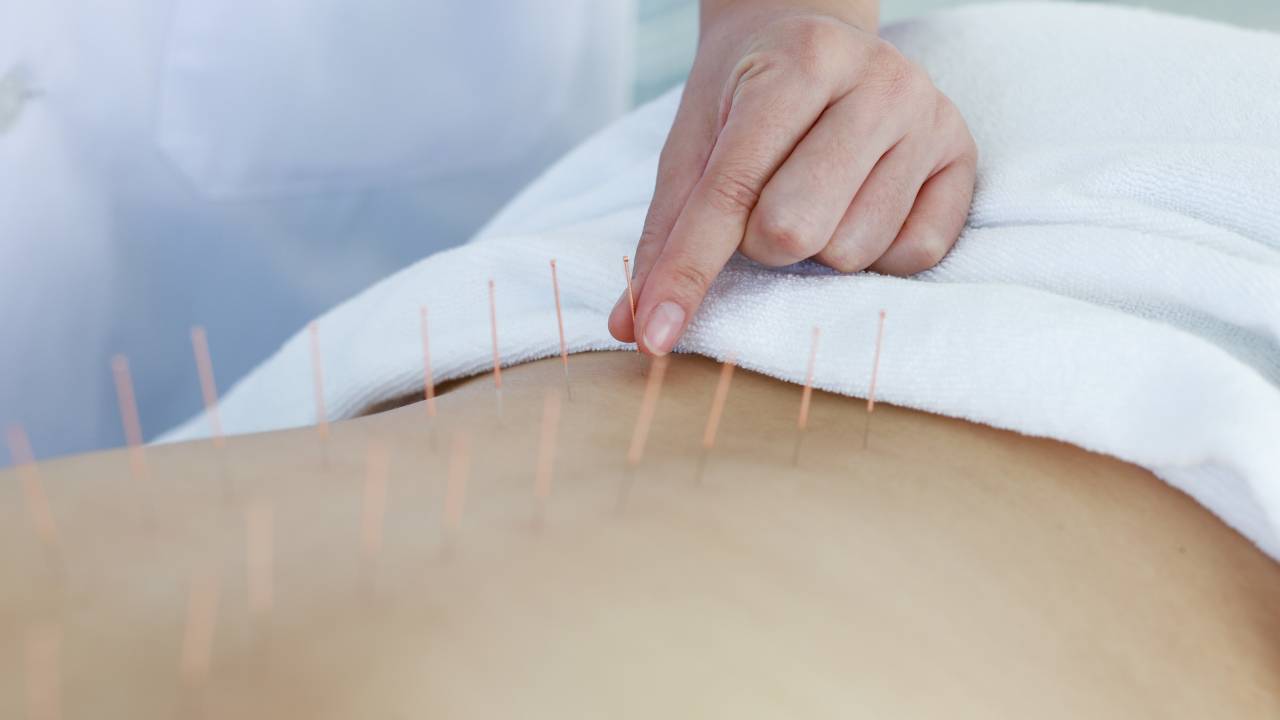
Acupuncture is a clinical technique that involves inserting very thin, sterile needles into specific points on the body. In physiotherapy settings, these points are chosen based on anatomical, muscular, and neurological relevance. The objective is to influence the body’s systems particularly the musculoskeletal and nervous systems to support recovery, reduce discomfort, and improve functional movement.
Unlike other interventions that rely on medication or invasive procedures, acupuncture offers a non-pharmaceutical option to influence physical responses. Clinics providing acupuncture in Toronto typically integrate the method alongside manual therapy, rehabilitation exercises, and education.
Why Physiotherapists Use Acupuncture
In a clinical context, acupuncture is used to influence nerve signaling, stimulate circulation, and reduce tension in deep tissue. Physiotherapists use it as a tool to:
- Diminish muscle tightness that may not respond to stretching alone
- Improve local blood flow to support tissue healing
- Calm nerve sensitivity that contributes to chronic discomfort
- Prepare muscles for strength or mobility exercises
When delivered in a physiotherapy setting, acupuncture in Toronto follows clear clinical guidelines. The process includes patient screening, goal-based planning, and integration with broader treatment strategies.
How Acupuncture Is Applied
Physiotherapists who are trained and licensed to use acupuncture begin with a detailed assessment. This includes reviewing symptoms, checking movement patterns, and identifying trigger points or areas of muscular restriction.
Sterile, single-use needles are inserted into the skin, usually for 15 to 30 minutes. These needles are extremely fine, and their insertion is typically painless or accompanied by only minor sensations. Patients might feel dull pressure, tingling, or warmth at the site.
Clinics offering acupuncture in Toronto may also use techniques such as:
- Dry needling, a more targeted form of acupuncture aimed at muscular trigger points
- Electroacupuncture, which involves applying a mild electrical pulse to certain needles to increase stimulus
All applications are tailored to the patient’s clinical presentation and physical goals.
Conditions Commonly Treated
Patients receiving acupuncture in Toronto often have a variety of conditions. It is rarely a standalone treatment, but rather a technique integrated into broader care.
1. Muscle Tension and Trigger Points
Many people suffer from chronic muscle tightness, particularly in the neck, shoulders, or back. Acupuncture may help reset muscle tone and reduce mechanical restrictions.
2. Postural Strain
Desk work, repetitive movement, or improper lifting techniques can cause pain related to poor posture. Needling specific muscles may improve alignment and reduce stress on joints.
3. Sports Injuries
Sprains, tendon issues, or overuse injuries are common among athletes. When used in conjunction with exercise-based therapy, acupuncture may help shorten recovery time by easing local inflammation and promoting circulation.
4. Nerve Irritation
Conditions like sciatica or nerve entrapments may involve irritation or referred pain. Acupuncture points are selected to modulate nerve activity and support functional movement.
5. Tension-Type Headaches
In some individuals, headaches are related to muscular strain around the neck and shoulders. Clinical acupuncture can help reduce this tension and restore muscular balance.
What to Expect During a Session
For patients attending acupuncture in Toronto, a session is structured and goal-oriented. Here’s a general overview of what takes place:
- Assessment: The physiotherapist evaluates posture, muscle function, symptoms, and physical goals.
- Planning: A treatment plan is created, which may include acupuncture as one component.
- Needle Application: Thin needles are inserted into selected points based on your needs. The therapist monitors your comfort level and physiological response.
- Recovery and Debriefing: Needles are removed, and recommendations for activity or follow-up care are given.
Most patients tolerate the procedure well. Some feel immediate muscle release; others notice gradual improvement over several sessions.
Safety and Regulation
In Ontario, physiotherapists who offer acupuncture must complete post-graduate certification and follow the standards set by the College of Physiotherapists of Ontario. This ensures patient safety and clinical appropriateness.
When receiving acupuncture in Toronto, you can expect:
- Use of sterile, single-use needles
- Clear explanation of risks and goals
- Professional conduct and informed consent
- Ongoing assessment of treatment effectiveness
Mild effects such as small bruises, temporary soreness, or fatigue can occur but usually resolve quickly.
Is Acupuncture Right for You?
Acupuncture may be suitable for people who:
- Experience muscle or joint discomfort resistant to other methods
- Prefer options that do not involve medication
- Are recovering from injury or surgery
- Have movement restrictions linked to deep muscle tension
- Need support managing stress-related muscular symptoms
Clinics offering acupuncture in Toronto determine eligibility on a case-by-case basis. The technique is not appropriate for individuals with certain conditions, including active infections, specific bleeding disorders, or uncontrolled health conditions.
Integration With Physiotherapy Treatment Plans
Physiotherapists use acupuncture as one part of a wider treatment approach. It is most effective when paired with:
- Targeted exercise programs to rebuild strength and flexibility
- Manual therapy to improve joint mobility
- Posture and movement retraining to prevent recurrence
- Education to help patients understand and manage their condition
In this context, acupuncture in Toronto is not about addressing one symptom, but about improving physical function and adaptability through a coordinated plan.
Preparing for Your Appointment
Here are a few simple steps to take before your first appointment:
- Dress comfortably: This allows easy access to the treatment area.
- Eat a light meal: Avoid coming on an empty stomach.
- Arrive with questions: Your physiotherapist will explain the goals and address concerns.
- Share full history: Medical background, medications, and previous experiences can influence your treatment plan.
How to Find the Right Provider
If you’re considering acupuncture in Toronto, focus on clinics that provide:
- A regulated, licensed physiotherapist with acupuncture certification
- A thorough assessment and goal-oriented treatment planning
- Integrated care with manual therapy and exercise-based rehabilitation
- Transparency about risks, benefits, and expected outcomes
Avoid clinics that offer acupuncture without a physical evaluation or that promote it as a cure-all. It should always be part of a comprehensive, evidence-informed care plan.
Moving Forward
Acupuncture in Toronto is increasingly used as a targeted method to support physical rehabilitation. In regulated physiotherapy settings, it is applied with a focus on musculoskeletal function, neural response, and tissue recovery. While not suitable for every individual, it may contribute to improved comfort, movement, and recovery when combined with a structured treatment plan.
If you’re exploring options for physical therapy or injury recovery, discussing acupuncture with a licensed physiotherapist could offer another tool in your path toward better physical performance and resilience.